
Cycling in London is exciting, practical, and surprisingly freeing. With bike lanes expanding, traffic-conscious drivers increasing, and cycling culture growing stronger every year, more people are choosing two wheels over four. But for new riders, London’s streets can feel overwhelming. Between busy junctions, unpredictable weather, and fast-moving traffic, mistakes are easy to make. The good news? Most cycling mistakes are completely avoidable once you know what to look out for. If you’re new to cycling in London or getting back on a bike after a long break this guide will help you ride smarter, safer, and with more confidence.
Ignoring Proper Bike Fit
One of the most common mistakes new riders make is riding a bike that doesn’t fit properly. Many people assume discomfort is “just part of cycling,” but that couldn’t be further from the truth. A poorly fitted bike can cause knee pain, back aches, numb hands, and sore shoulders. In a city like London, where stop-start traffic and long rides are common, bad fit issues show up quickly. Your saddle height, handlebar reach, and frame size all matter. If you feel strained, hunched, or unstable, your bike likely needs adjusting. Even a small tweak can dramatically improve comfort and control.
Wearing the Wrong Clothing for London Weather
London weather is famously unpredictable. One minute it’s dry, the next you’re caught in a drizzle that soaks everything. New riders often underestimate how important proper cycling clothing is. Cotton tops absorb sweat and rain, leaving you cold. Loose trousers can get caught in chains. And riding without gloves in winter quickly becomes miserable. You don’t need expensive gear, but breathable layers, water-resistant jackets, and visible clothing make a huge difference. Comfort keeps you focused and focused riders are safer riders.
Skipping Helmet and Visibility Gear
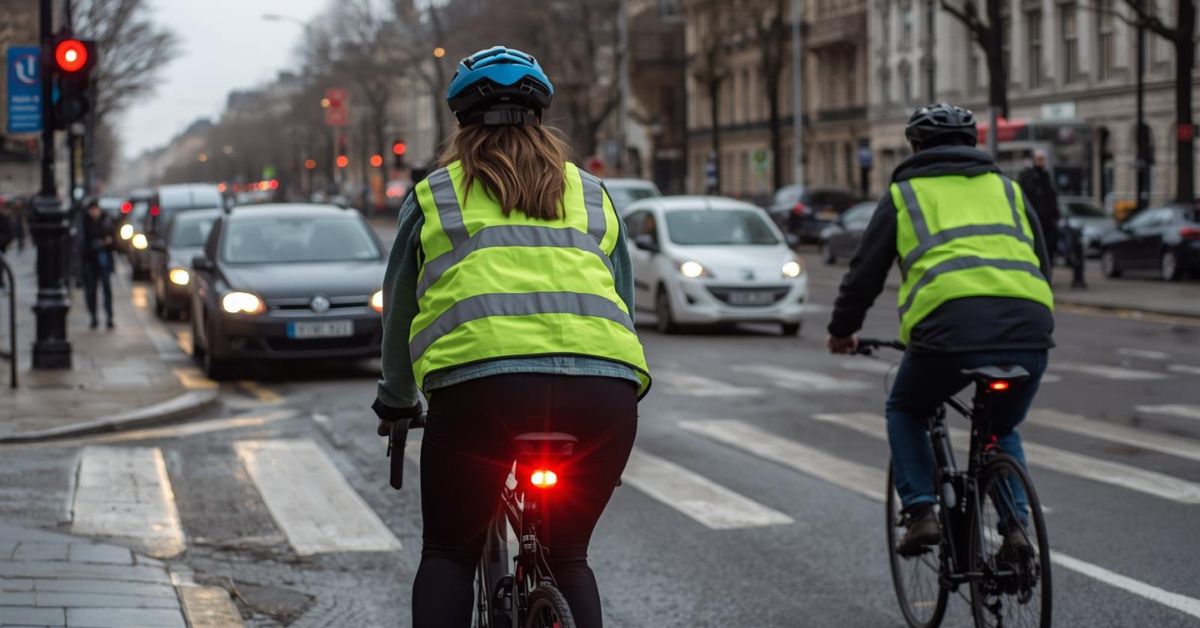
Some new cyclists avoid helmets or lights because they want a casual ride or think short trips don’t require them. Unfortunately, London traffic doesn’t adjust based on distance. Helmets reduce head injury risk, especially in busy urban areas. Lights front and rear aren’t just for night riding; they improve visibility during rain, fog, and gloomy afternoons. High-visibility accessories like reflective strips or bright jackets help drivers spot you faster. Being seen is half the battle on city roads.
Not Learning London Road Rules Properly
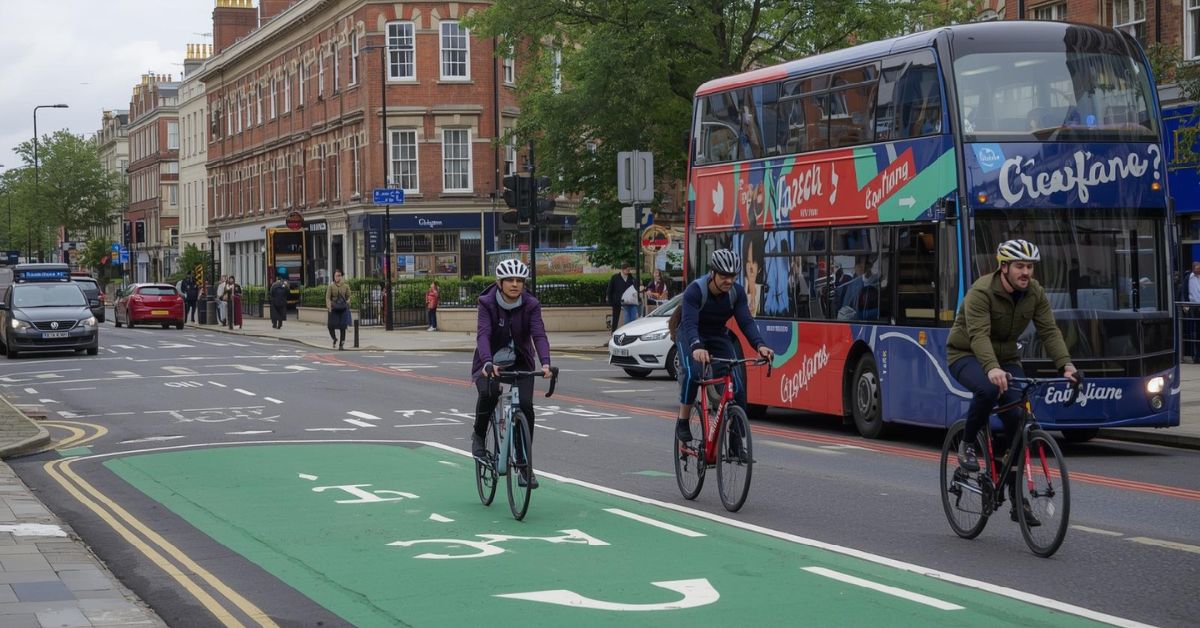
London has cycling-specific road rules that many beginners don’t fully understand. Advanced stop lines, cycle boxes, bus lanes, and one-way exemptions can be confusing at first. Riding in the wrong lane, stopping in the wrong place, or misunderstanding priority at junctions increases risk and frustration. Other road users expect cyclists to follow these rules just as drivers do. Taking time to learn cycling signals, lane positioning, and junction etiquette builds confidence and earns respect from motorists and pedestrians alike.
Hugging the Kerb Too Closely
New riders often stick too close to the kerb because it feels safer. In reality, this can be dangerous. Riding tight against the curb puts you at risk of hitting potholes, drains, or opening car doors. Positioning yourself slightly further into the lane makes you more visible and gives you room to manoeuvre. It also discourages unsafe overtaking by drivers who might otherwise squeeze past. Confidence in road positioning doesn’t come overnight, but it’s one of the most important skills for London cycling.
Not Anticipating Traffic and Pedestrian Behaviour
London roads are unpredictable. Pedestrians step into cycle lanes while checking phones. Taxis stop suddenly. Buses pull in without warning. New cyclists often focus only on what’s directly ahead instead of scanning the wider environment. Experienced riders constantly anticipate movement watching wheels instead of indicators, reading body language, and planning escape routes. Keeping your head up and thinking a few seconds ahead reduces sudden braking and panic swerves, which are common causes of accidents.
Riding Too Fast for Skill Level
Speed can feel thrilling, especially on clear stretches or downhill sections. But new cyclists sometimes ride faster than their handling skills allow, especially in traffic. Braking too late, misjudging corners, or reacting slowly to obstacles increases risk. City cycling isn’t about speed it’s about control, awareness, and consistency. As your confidence grows, speed will naturally follow. Until then, smooth and steady wins every time.
Neglecting Regular Bike Maintenance
A surprising number of new riders don’t check their bikes regularly. Loose brakes, underinflated tyres, and dry chains are common issues that make riding harder and less safe. London roads are tough on bikes. Potholes, wet weather, and debris cause wear faster than many expect. A quick weekly check tyres, brakes, chain, and bolts can prevent breakdowns and accidents. A well-maintained bike also feels better to ride, which encourages consistency.
Relying Too Much on Cycle Lanes Alone
Cycle lanes are helpful, but they aren’t always perfect. Some lanes disappear suddenly, are blocked by parked vehicles, or force awkward merges at junctions. New cyclists sometimes follow lanes blindly without checking surroundings. Safe cycling means staying alert, even in dedicated lanes. Understanding when to leave a lane, merge confidently, or take the lane when needed is a skill that develops with experience.
Not Planning Routes in Advance
London is vast, and not all roads are cyclist-friendly. New riders often choose the shortest route instead of the safest or smoothest one. Using quieter back streets, cycle-friendly routes, and well-designed paths makes rides more enjoyable. Planning ahead also reduces stress and helps you avoid dangerous junctions. With time, you’ll discover routes that feel like hidden gems calm, efficient, and surprisingly scenic.
Underestimating Fatigue and Overconfidence
Cycling uses muscles you may not use often. New riders sometimes push too hard too soon, leading to exhaustion, soreness, or loss of concentration. Overconfidence can also creep in after a few good rides. London cycling requires constant attention, regardless of experience level. Listening to your body, taking breaks, and building endurance gradually keeps cycling enjoyable and sustainable.
Final Thoughts: Learning Is Part of the Ride
Every experienced London cyclist has made mistakes missed signals, awkward stops, wrong turns, and uncomfortable rides. What matters is learning from them. Cycling confidence doesn’t come from perfection; it comes from awareness, patience, and practice. With the right habits, the city becomes less intimidating and more rewarding on two wheels. Whether you’re commuting, exploring, or simply riding for fun, having a reliable bike and the right setup makes all the difference. That’s why many riders eventually turn to trusted local cycling specialists like Edgwarecycle, where experience, safety, and passion for cycling come together to support every stage of your journey.