
Cycling in London has transformed dramatically over the past decade. Once considered a niche activity for enthusiasts, it is now a practical way to navigate the city. Central to this change is the development of London’s Cycle Superhighways. These dedicated routes have made cycling safer, faster, and more appealing to a broader range of people. Today, they form the backbone of London’s push toward sustainable transport.
A Vision for Safer Cycling
London’s streets were long dominated by motor traffic, leaving cyclists vulnerable to accidents and pollution. The Cycle Superhighways were designed to change that by providing direct, dedicated routes for commuters. The aim was to create a network that allowed cyclists to move efficiently without constantly interacting with cars and buses. Beyond speed, safety and comfort became a core focus. These lanes were meant to encourage people who had never cycled in the city to consider it as a serious commuting option.
The Early Beginnings
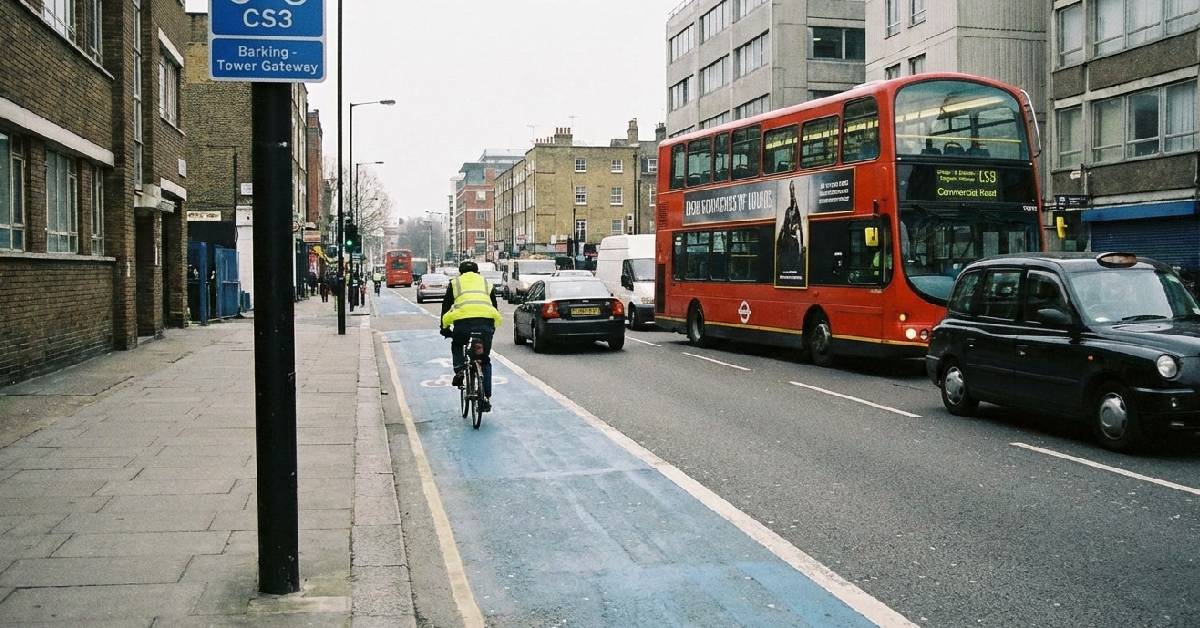
The first Cycle Superhighways were launched in 2008 as experimental routes. CS3, for example, ran from Barking to Tower Gateway and served as a test for dedicated cycle lanes. While these early routes were innovative, they weren’t perfect. Painted lanes offered minimal separation from traffic, which led to criticism from many riders. Nevertheless, these initial Superhighways showed that a structured cycling network could influence commuting patterns and encourage more people to ride.
A Bold Expansion
By 2013, cycling in London was booming, thanks in part to the Santander Cycles bike-sharing program. Recognizing the demand, the city announced an ambitious expansion of the Superhighways network. The new routes focused on higher-quality infrastructure, including segregated lanes and safer junctions. Routes such as CS6 and CS7 demonstrated how cycling could be made more accessible. This expansion helped establish cycling as a mainstream commuting option rather than a niche activity for enthusiasts.
Designing for Safety and Comfort
One of the key lessons from early Superhighways was that safety and comfort were critical. Painted lanes alone were insufficient; cyclists needed physical separation from traffic. Segregated lanes using curbs, planters, or barriers became standard on many routes. Junctions were redesigned with advanced stop lines and dedicated signals to reduce accidents. These improvements created a smoother, safer experience that encouraged more people to cycle daily.
The Role of Technology
Technology has played an important role in the development of the Superhighways. GPS mapping and mobile apps help riders plan routes and avoid congested areas. Some routes include sensors that track the number of cyclists, traffic speed, and flow, providing valuable data for planning. Digital signage and mobile updates allow riders to navigate construction or other obstacles efficiently. These innovations make commuting faster, safer, and more predictable.
Community and Environmental Impact
Cycle Superhighways have had benefits beyond commuting. They reduce congestion, cut carbon emissions, and encourage healthier lifestyles. Local businesses benefit too, as cyclists are more likely to stop at shops or cafes than car drivers. Community initiatives and school cycling programs have grown, fostering a culture of cycling from a young age. These social and environmental advantages reinforce the value of investing in cycling infrastructure.
Challenges Along the Way
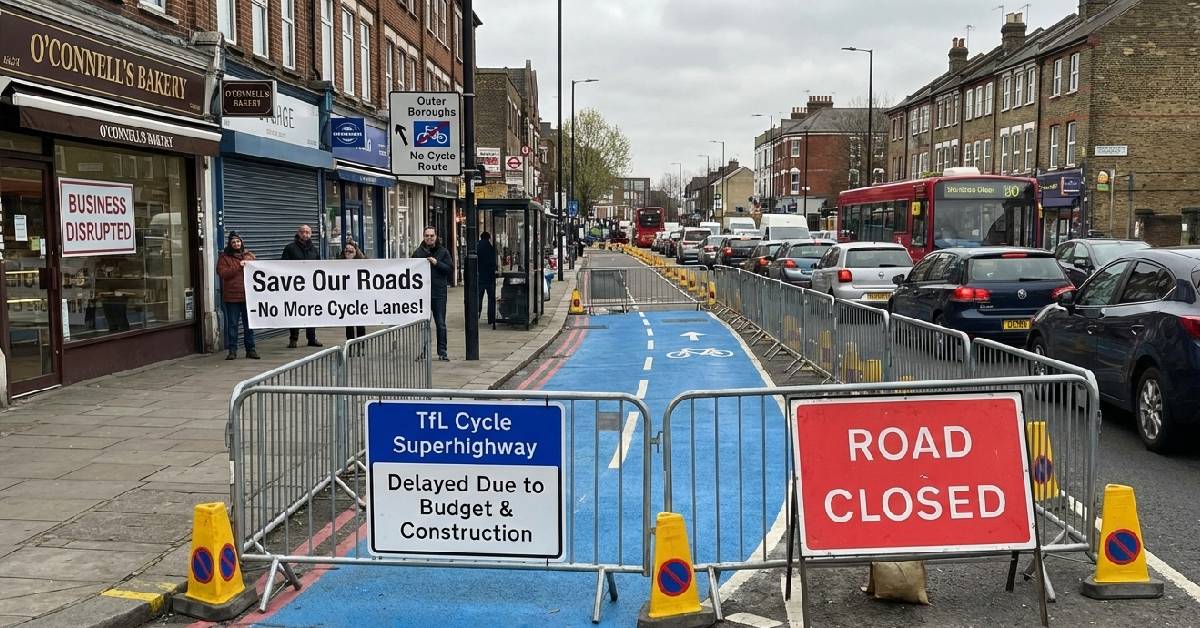
The Superhighways have faced several challenges. Budget constraints sometimes delayed projects, and construction often disrupted traffic and businesses. Some residents and drivers opposed lane reallocations, arguing that road space for cars was reduced. Additionally, many routes remain concentrated in central London, leaving some outer boroughs less connected. Addressing these challenges continues to be a priority for TfL as it works toward a truly comprehensive network.
Looking to the Future
The future of London’s Cycle Superhighways is full of potential. Plans include extending routes, connecting more neighborhoods, and integrating cycling with public transport. E-bike lanes, improved lighting, and smart traffic systems are being explored. The aim is to make cycling faster, safer, and more enjoyable, encouraging more Londoners to choose two wheels over four. This growth reflects a commitment to a greener, healthier city for all residents.
A Cycling Culture Emerges
The Superhighways have helped foster a genuine cycling culture in London. Riding is now seen as convenient, safe, and fun for commuters and families alike. Events like London Bike Week and community rides highlight this cultural shift. People are embracing cycling not just as a mode of transport but as part of their lifestyle. The city is slowly becoming a place where streets prioritize safety and enjoyment for everyone, not just motorists.
Conclusion: Riding Into a Sustainable Future
London’s Cycle Superhighways are more than just infrastructure; they represent a shift in urban thinking. They make cycling safe, accessible, and appealing, helping reduce congestion and pollution. With continued investment, technological integration, and community support, the network will expand further. Local bike shops, like Edgwarecycles, continue to support this cycling revolution by providing quality bikes and advice, helping more Londoners embrace the freedom and convenience of cycling every day.