
Cycling in London is a shared experience. Whether you’re gliding through quiet back streets, navigating busy high roads, or squeezing into a cycle lane during rush hour, you’re never really riding alone. You’re sharing space with other cyclists, pedestrians, drivers, buses, delivery riders, and the occasional confused tourist staring at Google Maps. Good cycling etiquette isn’t about being perfect or following an unwritten rulebook. It’s about awareness, respect, and understanding that how you ride affects everyone around you. London’s streets are already intense considerate cycling can make them calmer, safer, and surprisingly more enjoyable. Here’s a practical, real-world guide to cycling etiquette every London cyclist should know.
Ride Predictably, Not Aggressively
One of the most important habits a cyclist can develop is riding predictably. Sudden swerves, sharp braking, or unexpected turns create confusion and confusion leads to collisions. If you’re changing lanes, overtaking, or slowing down, do it smoothly and with intention. Hold a steady line instead of weaving between gaps. Other cyclists and drivers can handle almost anything if they know what you’re about to do. Aggressive riding might feel efficient, but it often causes more problems than it solves. Calm, predictable cycling keeps traffic flowing and stress levels down
Use Your Bell Politely
The bell is one of the most misunderstood tools on a bike. Some cyclists avoid using it because they worry it sounds rude. Others ring it constantly like an alarm. In reality, a gentle bell ring is often appreciated, especially on shared paths or quiet streets. It’s not an order — it’s a heads-up. Ring early, not at the last second. One or two light rings is enough. And if someone looks startled, a quick “thanks” or “sorry” goes a long way. Tone matters more than volume.
Overtake with Space and Patience
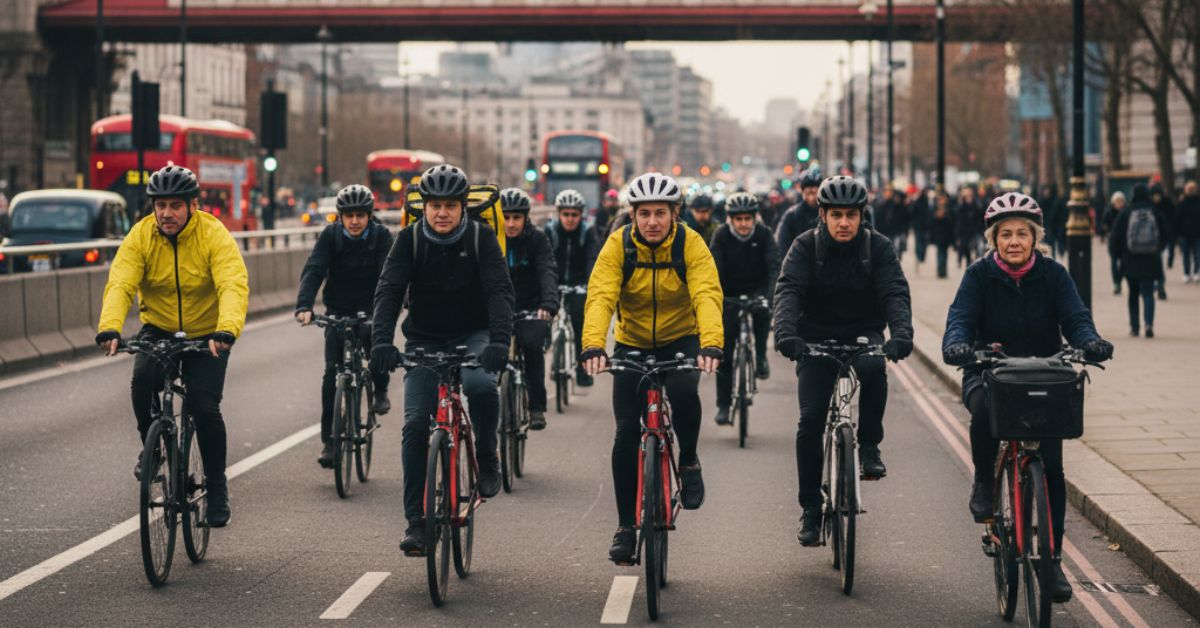
London cycle lanes can get crowded, particularly during peak hours. Faster cyclists weaving aggressively around slower riders creates tension and danger. If you’re overtaking, give as much space as possible and wait for a clear moment. Don’t squeeze past just because you technically fit. A second or two of patience is always better than forcing a risky move. When passing another cyclist, a calm “on your right” can help, but only if there’s enough time for them to react without panic.
Respect Red Lights and Pedestrian Crossings
This is a sensitive topic, but it matters. Pedestrians expect cyclists to behave differently from cars, but they still expect consistency. Blasting through red lights, especially at pedestrian crossings, damages trust and puts people at risk. It also fuels the stereotype that cyclists don’t follow rules which affects how drivers treat all cyclists, not just the reckless ones. Stopping doesn’t make you weak or slow. It makes you predictable, and predictability is safety.
Be Kind to Pedestrians Always
Pedestrians are the most vulnerable people on the road, and cyclists sit somewhere in the middle of the hierarchy. That means responsibility comes with the territory. Slow down near crossings, schools, bus stops, and crowded pavements. Don’t expect people to jump out of your way. Eye contact, slowing slightly, or a simple nod can prevent awkward moments. Remember: most pedestrians aren’t trying to be annoying they’re just trying to get where they’re going, same as you.
Signal Clearly and Early
Hand signals are one of the simplest ways to communicate on the road, yet they’re often forgotten. Signal early enough for others to react. A last-second arm flick doesn’t help anyone. Hold the signal long enough to be seen, especially in traffic or low light. Clear signals reduce guesswork and show confidence, which helps everyone around you feel more at ease.
Don’t Block Cycle Lanes When Stopping
Stopping for a quick check on your phone, adjusting your bag, or chatting with a friend? Step out of the cycle lane if you can. Blocking a narrow lane forces others to swerve into traffic or brake suddenly. Even a few seconds can disrupt the flow during busy periods. Think of cycle lanes like moving pavements stopping in the middle creates the same frustration as standing still on an escalator.
Adapt Your Speed to the Situation
London isn’t one single cycling environment. A wide road at 6am feels very different from a shared path at 6pm. Fast riding has its place, but not everywhere. In parks, residential streets, or shared spaces, slowing down shows awareness and maturity as a cyclist. Matching your speed to the surroundings keeps everyone safer including you.
Be Aware of Bigger Vehicles
Buses, lorries, and vans behave differently from cars, and they can’t see everything you see. Avoid lingering in blind spots, especially on the left at junctions. Give large vehicles space to turn, even if you technically have priority. Being “right” doesn’t protect you from being hurt. Good etiquette sometimes means choosing caution over confrontation.
Acknowledge Other Cyclists
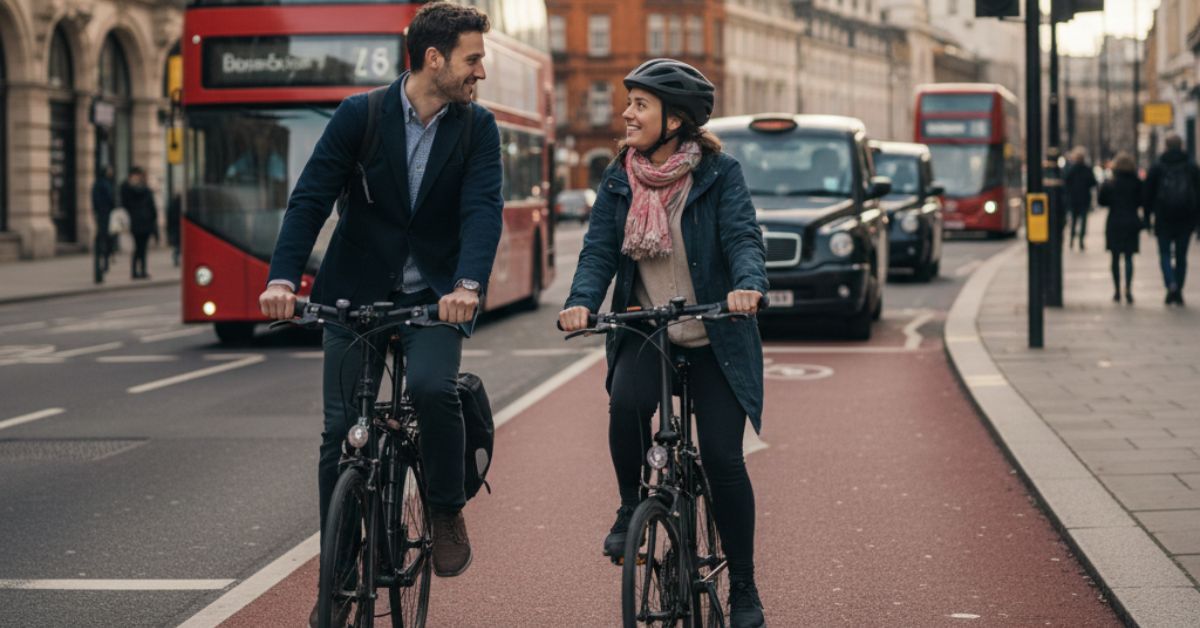
London cycling culture can feel rushed and impersonal, but small gestures matter. A nod, a wave, or a quick “cheers” after someone gives you space helps build a sense of shared experience. It reminds everyone that behind the helmets and handlebars are actual people. These tiny moments of connection make the city feel less hostile and more human.
Be Extra Considerate at Night
Night cycling requires heightened awareness. Visibility drops, reactions slow, and mistakes become more costly. Use proper lights, avoid dazzling others, and ride more defensively. Assume you’re harder to see than you think. Being considerate at night isn’t just polite it’s essential.
Representing Cyclists as a Whole
Whether we like it or not, each cyclist’s behaviour shapes how cycling is perceived in London. Drivers and pedestrians often judge all cyclists based on a handful of experiences. Good etiquette isn’t about impressing anyone it’s about making cycling easier for everyone who comes after you. Every respectful interaction helps normalise cycling as a safe, everyday mode of transport.
Why Etiquette Matters More Than Ever
As cycling grows in London, shared spaces become busier and more complex. Infrastructure helps, but behaviour fills the gaps where paint and concrete fall short. Cycling etiquette isn’t about rules carved in stone. It’s about adapting, being aware, and choosing courtesy over ego. When cyclists look out for each other and for those around them, the city becomes a better place to move through. And whether you’re a daily commuter, a weekend rider, or someone just getting started, these small habits make a big difference. Local cycling communities and initiatives including those connected to Edgwarecycles thrive when riders respect not just the road, but the people on it.