
London is a city of layer layers of history, architecture, culture, and, perhaps surprisingly, cycling. For a city that often conjures images of double-decker buses and congested roads, the story of cycling here is rich, evolving, and sometimes a little bumpy. From humble beginnings in the late 19th century to the modern superhighways of today, London’s bike infrastructure tells a story of passion, persistence, and progress. The city’s roads may have changed over the years, but the enduring spirit of cycling remains a vital part of London’s urban life.
The Early Days of Cycling in London
Cycling in London isn’t as modern as some might think. The city’s love affair with the bicycle began in the late 1800s, when the “safety bicycle” became widely popular. Unlike the old penny-farthing, these new bicycles were safer, easier to ride, and accessible to more people. Early cyclists often faced challenges such as rough cobblestone streets and the lack of traffic regulations. Roads were primarily designed for horses, carriages, and the earliest motor vehicles, leaving little room for bicycles. Enthusiasts formed clubs and lobbied for better roads, planting the seeds for the first discussions about dedicated cycling infrastructure. Even then, cycling was seen as both a practical mode of transport and an adventurous pastime.
Cycling Between the Wars
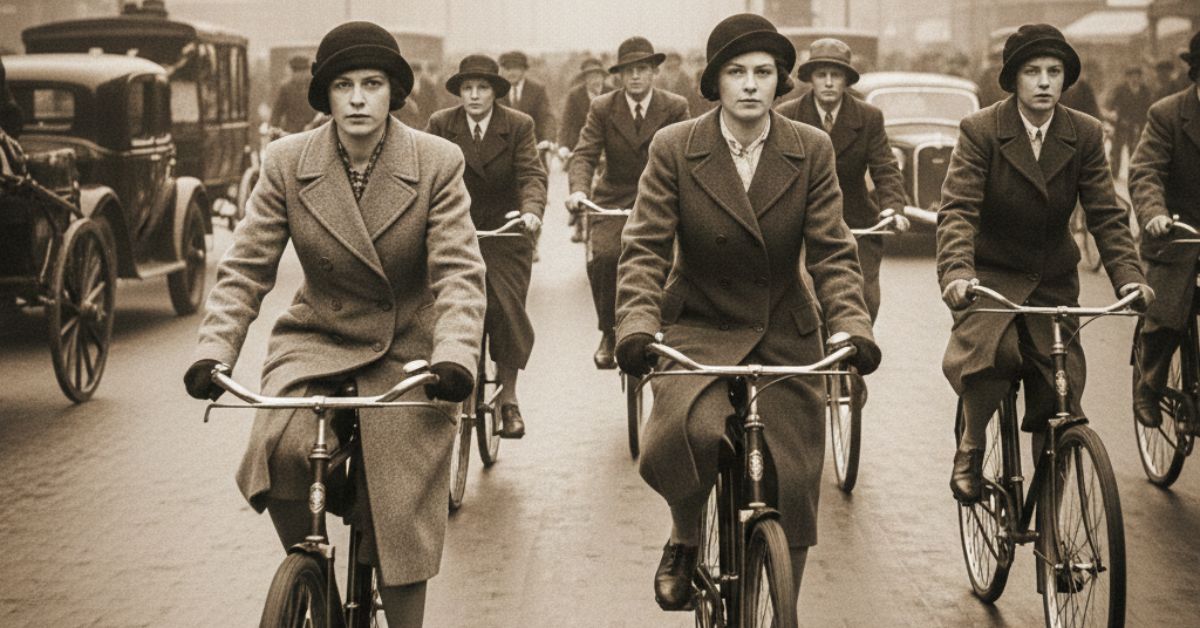
The period between World War I and World War II saw a dramatic increase in cycling in London. Economic hardship and fuel shortages meant that bicycles became a lifeline for many commuters. Women, newly entering the workforce, embraced cycling as a means of independence, breaking social norms in the process. Despite this growing popularity, infrastructure remained rudimentary, with few painted cycle tracks and little signage. Cyclists had to navigate busy streets, often sharing space with horse-drawn carts and early motor vehicles. Yet, the resilience and determination of these riders helped embed cycling into the city’s cultural fabric, creating the foundation for future advocacy and improvements.
Post-War Decline and Neglect
After World War II, London underwent significant reconstruction, and cars became symbols of status and progress. Cycling, once celebrated, fell out of favor, viewed by many as a necessity rather than a choice. Roads were widened and redesigned to prioritize cars, while cyclists were often left to fend for themselves. The 1950s and 1960s saw a sharp decline in cycling rates, as convenience and prestige drew people toward motor vehicles. Many cyclists during this era describe navigating busy arterial roads as a daily challenge. The lack of dedicated lanes, combined with increasing traffic volumes, made cycling a risky endeavor, leaving cycling advocates to campaign tirelessly for recognition and safer streets.
The Resurgence of Cycling in the 1970s and 1980s
By the 1970s, attitudes toward cycling began to shift. The oil crises highlighted the vulnerabilities of car-dependent transport, and environmental awareness started gaining traction. More people looked to bicycles as a practical, sustainable alternative. Small-scale infrastructure projects, such as painted lanes and traffic-calming measures, began appearing in residential neighborhoods. Advocacy groups like the London Cycling Campaign played a pivotal role in lobbying for safer roads and raising public awareness. Cycling also experienced a cultural revival during this period, with shops, clubs, and community rides fostering a renewed sense of excitement. These decades laid the groundwork for the widespread improvements that would follow in the 21st century.
The Modern Era: Superhighways and Innovation
The 21st century marked a turning point for London’s cycling infrastructure. In 2008, Transport for London introduced the first major cycle superhighways, linking outer suburbs to the city center with safe, fast routes. These lanes were designed to protect cyclists from traffic and streamline commuting. Over the years, the network expanded, incorporating segregated lanes, improved intersections, and better signage. Initiatives like Santander Cycles, London’s bike-sharing program, made cycling accessible to residents and tourists alike. Technology has also played a role, with apps helping riders plan routes and navigate the city safely. Today, cycling is increasingly recognized as a vital component of urban mobility, combining efficiency with health and environmental benefits.
Challenges That Remain
Despite improvements, cycling in London still faces challenges. Many areas lack consistent infrastructure, and roads can be dangerous, particularly during peak traffic hours. Accidents and near-misses remain common, and some cyclists report feeling unsafe on heavily trafficked streets. Equity is another concer while central London benefits from advanced infrastructure, outer boroughs often lag behind. Weather, air quality, and bike theft also deter potential cyclists. Advocates continue to push for better planning, community education, and more investment in cycling infrastructure. London’s journey shows that progress is possible, but the work is ongoing, requiring collaboration between policymakers, riders, and local communities.
Cycling Culture and Community Impact
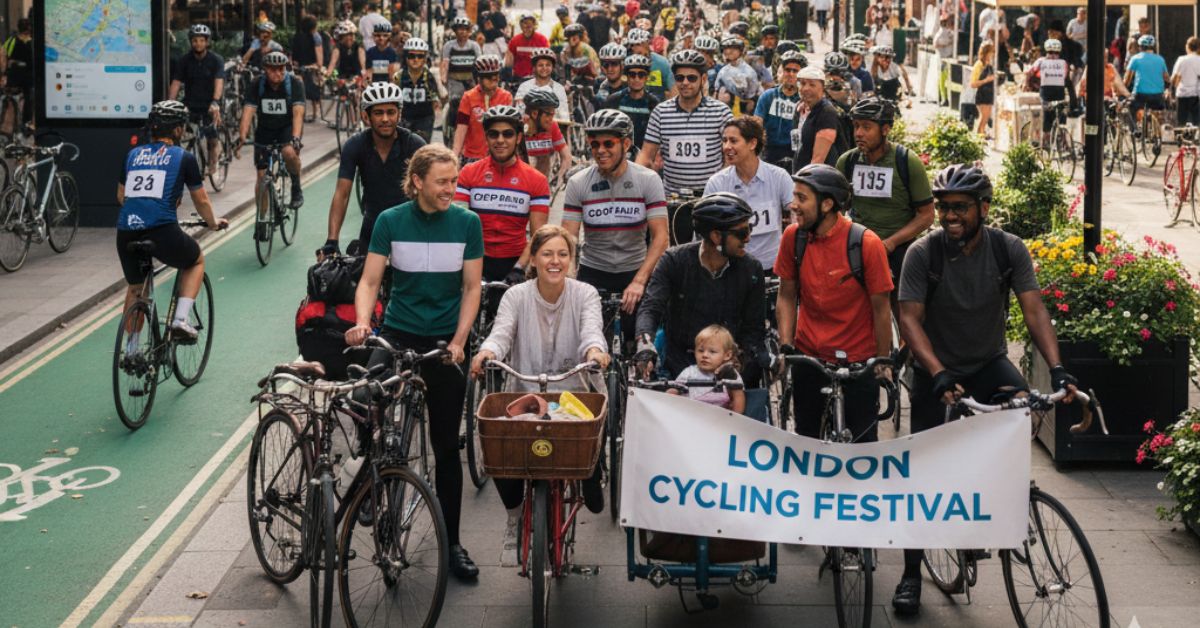
Cycling is about more than transport it’s about connection, lifestyle, and culture. As infrastructure improved, a vibrant community of cyclists flourished in London. Group rides, charity events, and local cycling clubs foster camaraderie and shared experiences. Cycling also influences urban planning, encouraging safer streets and greener city spaces. The presence of a strong cycling culture helps advocate for further improvements and educates the public about the benefits of two-wheeled transport. Over time, cycling has become embedded in London life, demonstrating that infrastructure and culture grow hand-in-hand. It’s a reminder that the city’s streets are not just for cars they belong to cyclists too.
Looking Ahead
The future of cycling in London is bright. Plans for additional superhighways, safer intersections, and better integration with public transport are already underway. Electric bikes are gaining popularity, making longer commutes more accessible and reducing barriers for older riders. Policymakers are increasingly focused on creating streets that are safe and inviting for cyclists of all ages. With continued investment and cultural support, London could become a model city for cycling infrastructure worldwide. The dream is a city where cycling is not just a niche activity, but a central feature of daily life, contributing to health, sustainability, and quality of urban living.
Conclusion
From cobbled streets in the 19th century to today’s cycle superhighways, London’s cycling history is one of resilience, advocacy, and transformation. Each period brought challenges, yet the city’s cyclists persisted, helping shape a safer, more connected urban environment. Cycling has survived periods of neglect, embraced modern innovations, and grown into a central aspect of London life. For those seeking guidance, equipment, or local expertise, EdgwareCycles provides invaluable support for riders navigating London’s streets, ensuring that the city’s cycling heritage continues to thrive for generations to come.