
London is a city that never stands still. Its streets hum with movement buses weaving through traffic, black cabs edging past pedestrians, and trains rushing beneath the surface. Yet, over the past decade, another rhythm has quietly taken hold. The steady whirr of bicycle wheels has become part of the city’s daily soundtrack. Cycling is no longer just a hobby or a weekend activity; it has grown into a powerful force that is reshaping how Londoners live, move, and connect with their city.
A Shift in Daily Commutes
For many people in London, the daily commute used to mean crowded trains, delayed buses, and long waits. Cycling has offered an alternative that feels both freeing and practical. Instead of being packed into a carriage, cyclists experience the city directly feeling the air, noticing the changing neighborhoods, and arriving at their destination with a sense of independence. This shift has changed not just how people travel, but how they feel about commuting itself. What was once a stressful routine has become, for some, the most enjoyable part of the day. The ability to avoid delays and take control of one’s journey has made cycling an appealing option for professionals, students, and even families.
Redefining Public Spaces
As cycling has grown in popularity, London’s streets have started to change. Dedicated bike lanes, traffic-calming measures, and car-free zones are becoming more common. These changes are not just about transportation they are redefining how public spaces are used. Streets that were once dominated by cars are gradually becoming more balanced. Cyclists, pedestrians, and drivers now share space in a way that encourages slower, safer movement. In some areas, this has even led to a stronger sense of community. People are more likely to stop, chat, or explore local shops when the streets feel less rushed and more accessible.
Healthier Lifestyles, Happier Lives
Cycling has also had a noticeable impact on the health and well-being of Londoners. In a city where time is often limited, finding space for exercise can be a challenge. Cycling solves this problem by combining fitness with daily routines. Riding to work or running errands on a bike provides regular physical activity without the need for a gym membership or extra time. Beyond the physical benefits, there is also a mental boost. Many cyclists talk about how riding helps them clear their minds, reduce stress, and start or end their day on a positive note. Over time, these small changes add up. A healthier population not only benefits individuals but also contributes to a more vibrant and energetic city.
Environmental Impact and Sustainability
London has long faced challenges related to air pollution and congestion. Cycling has emerged as one of the simplest and most effective ways to address both issues. Every journey made by bike instead of car reduces emissions and helps improve air quality. The environmental impact of cycling goes beyond just cleaner air. It also encourages a shift in mindset. People become more aware of their surroundings and more conscious of how their choices affect the environment. This awareness can influence other areas of life, from reducing waste to supporting local businesses. As more people choose to cycle, the city moves closer to its sustainability goals. It is a gradual process, but one that is clearly gaining momentum.
A Changing Urban Identity
Cycling is not just changing how London works it is changing how it feels. The presence of cyclists adds a different energy to the city. There is something more human and approachable about streets filled with people on bikes rather than rows of cars. This shift is also influencing how London is seen from the outside. The city is increasingly viewed as a place that values active travel and modern urban living. It is no longer just about historic landmarks and financial districts; it is also about innovation in how people move and interact with their environment. Cycling has become part of London’s identity, reflecting a city that is adapting to new challenges while holding on to its unique character.
Challenges Along the Way
Despite its many benefits, cycling in London is not without its difficulties. Safety remains a concern for many potential riders. Busy intersections, unpredictable traffic, and varying levels of cycling infrastructure can make the experience intimidating, especially for beginners. Weather is another factor that cannot be ignored. Rainy days and cold mornings are part of life in London, and they can discourage even the most committed cyclists. However, many riders learn to adapt, investing in proper gear and adjusting their routines. There is also the ongoing challenge of balancing the needs of different road users. Tensions can arise between cyclists, drivers, and pedestrians, particularly in crowded areas. Addressing these issues requires thoughtful planning, clear communication, and a willingness to share space.
Community and Connection
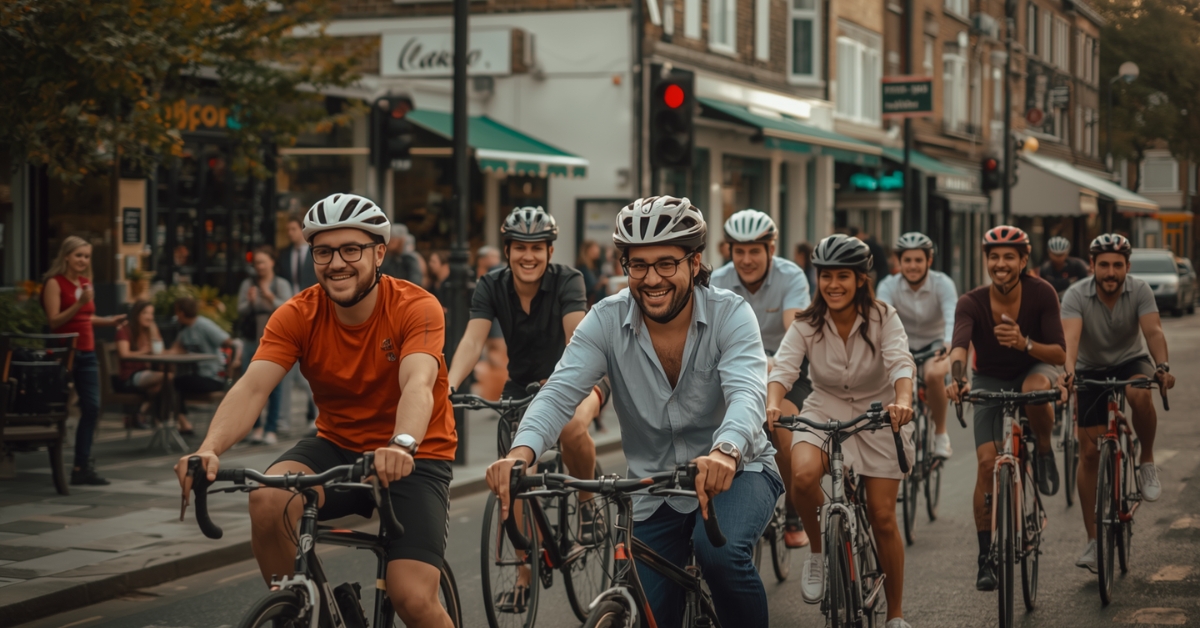
One of the less obvious but equally important effects of cycling is the sense of community it creates. Cyclists often develop a shared understanding, whether it is a nod at a traffic light or a quick exchange about road conditions. Group rides, cycling clubs, and local events bring people together in ways that go beyond transportation. These connections can turn a simple activity into a social experience, strengthening ties within neighborhoods and across the city. This sense of belonging is especially valuable in a large and sometimes overwhelming city like London. Cycling offers a way to feel more connected not just to other people, but to the city itself.

The Future of Cycling in London
Looking ahead, it is clear that cycling will continue to play a major role in shaping London’s future. Investments in infrastructure, growing public support, and increased awareness of environmental issues all point in the same direction. The city is gradually becoming more accommodating to cyclists, with plans for expanded bike networks and safer routes. As these developments take shape, cycling will likely become even more accessible to a wider range of people. At the same time, the culture around cycling will continue to evolve. What was once seen as an alternative mode of transport is now becoming a natural choice for many Londoners.
Conclusion
Cycling has quietly transformed urban life in London in ways that go far beyond transportation. It has changed daily routines, improved health, reshaped public spaces, and contributed to a more sustainable future. It has also added a sense of energy and connection that is difficult to achieve through other means. While challenges remain, the overall impact of cycling is undeniably positive. It offers a glimpse of what a more balanced and human-centered city can look like. As more people take to two wheels, London continues to evolve one ride at a time. And for those inspired to be part of this movement, finding the right support and equipment matters. Whether you are just starting out or looking to upgrade your ride, places like Edgwarecycles play a small but meaningful role in keeping London’s cycling culture moving forward.