
7 Signs Your Bike Needs a Service Before Your Next Ride
A bicycle can be a reliable way to travel, stay active, and enjoy the outdoors, but regular use gradually wears down its components. Whether you ride to work, cycle to the shops, or enjoy weekend trips around London, keeping your bike in good condition is essential for a safe and comfortable journey. Small problems can sometimes go unnoticed until they affect your braking, steering, or ability to change gears smoothly.
Regular bicycle maintenance helps identify these issues before they become more serious or expensive to repair. However, knowing when your bike needs professional attention is not always straightforward, especially if you are new to cycling. From unusual noises to worn tyres, there are several warning signs worth checking before setting off. Here are seven signs that your bike may need a service before your next ride.
1. Your Brakes Feel Weak or Make Unusual Noises
Your brakes are among the most important components of your bicycle because they allow you to control your speed and stop when necessary. If you notice that your bike takes longer to stop than usual, the brake levers feel unusually loose, or you need to squeeze them harder to slow down, it may be time for a professional inspection.
Unusual sounds can also indicate a problem. Squealing, scraping, or grinding noises may be caused by contaminated brake surfaces, worn brake pads, poor adjustment, or debris around the braking components. Although some noise can have relatively simple causes, it should not be ignored if braking performance has changed.
The type of brake fitted to your bicycle also affects what needs checking. Rim brakes rely on pads pressing against the wheel rims, while disc brakes use pads that grip a rotor. Both systems need appropriate adjustment and regular inspection to remain effective.
Before each ride, test your brakes at a walking pace in a safe area. Make sure both brakes respond properly and that the levers do not pull all the way to the handlebars. If braking feels unreliable, avoid riding the bicycle until the problem has been checked and repaired.
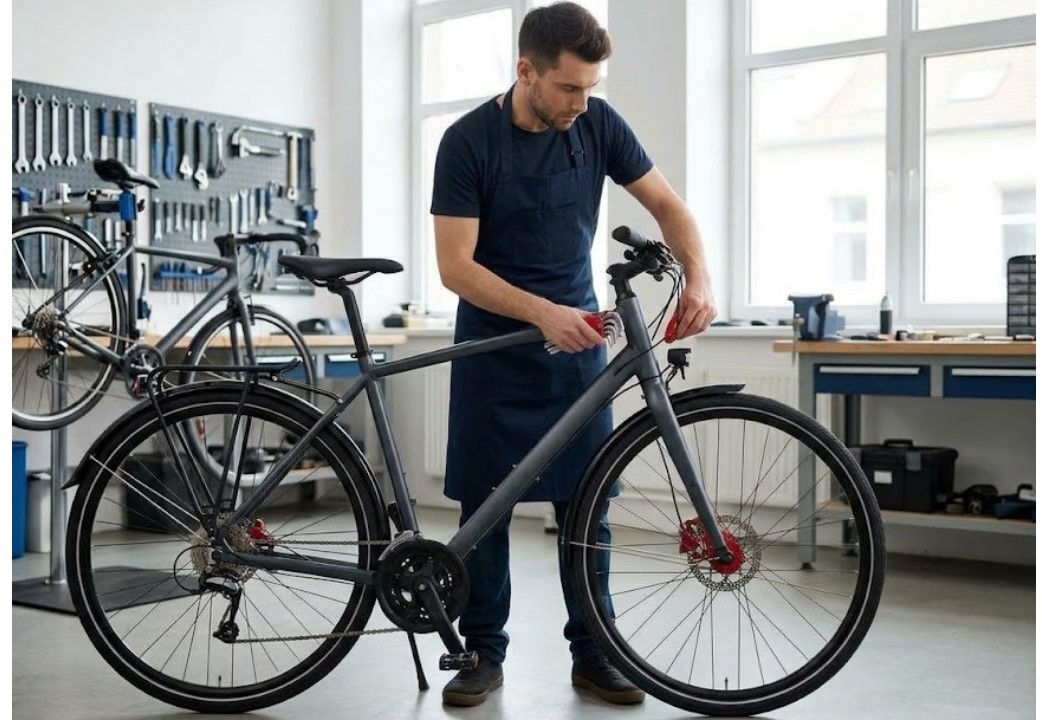
2. Your Gears Are Slipping or Difficult to Change
A properly maintained bicycle should allow you to move between gears smoothly and predictably. If the chain jumps between sprockets, the gears hesitate when you shift, or the pedals suddenly spin without transferring power as expected, your drivetrain may need attention.
These problems can develop for several reasons. Gear cables may stretch or become worn, the derailleur may need adjustment, or the chain and cassette may have accumulated dirt. Worn drivetrain components can also prevent the chain from engaging correctly with the teeth.
Dirty or poorly lubricated chains often contribute to noisy and inefficient gear changes. Cleaning the chain and applying suitable bicycle chain lubricant can help, but persistent skipping or shifting problems may require a mechanic to inspect the cables, derailleur, chain, and cassette.
Try changing gears gently while pedalling in a suitable riding position. Avoid forcing the pedals when shifting, particularly when climbing a hill or pushing hard against resistance.
If the chain repeatedly slips or the gears stop working properly, arrange a bicycle service before your next journey. Smooth gear changes make cycling more comfortable and help reduce unnecessary wear on expensive components.
3. Your Tyres Look Worn, Damaged, or Underinflated
Your tyres are the only parts of your bicycle that normally make contact with the road, so their condition can significantly affect handling, comfort, and reliability. A tyre that is worn out or damaged may be more vulnerable to punctures and could compromise your control of the bike.
Inspect both tyres for cuts, cracks, exposed threads, bulges, or embedded pieces of glass and sharp debris. Pay particular attention to areas that appear unusually worn or flattened. If the tyre casing is visible through the rubber, the tyre needs replacing.
Incorrect tyre pressure can also cause problems. Underinflated tyres may feel sluggish, increase the risk of certain pinch punctures, and make steering less predictable. Excessive pressure, meanwhile, can reduce comfort and may be unsuitable for the road surface or tyre design.
Check the recommended pressure range printed on the tyre sidewall and use a suitable pump with a pressure gauge where possible. The correct pressure depends on factors such as tyre width, rider weight, and riding conditions, so there is no single setting suitable for every bicycle.
If your tyres repeatedly lose pressure, develop visible damage, or show signs of serious wear, have them inspected before riding again. Replacing worn tyres at the right time can help prevent avoidable problems during your journey.
4. Your Chain Is Noisy, Rusty, or Dirty
The bicycle chain transfers power from your pedals to the rear wheel, making it essential for efficient movement. Over time, road dirt, moisture, and a lack of lubrication can cause the chain to become noisy and increase wear throughout the drivetrain.
A chain that squeaks, feels rough, or shows visible rust may need cleaning and lubrication. If the chain has become heavily corroded, has stiff links, or repeatedly comes off the chainring, it may require a closer inspection.
Start by looking at the chain under good lighting. A layer of dark grime can indicate that dirt and old lubricant have accumulated between the links. Clean the chain using a bicycle-appropriate degreaser and a suitable brush or cleaning tool, following the product instructions. Once it is clean and dry, apply a suitable bicycle chain lubricant and wipe away the excess.
Avoid applying too much lubricant because excess oil can attract more dirt. Choose a lubricant appropriate for the weather and riding conditions, particularly if you regularly cycle in wet London weather.
A worn chain can also damage the cassette and chainrings if replacement is delayed. A bicycle mechanic can measure chain wear and determine whether the chain or other drivetrain components need replacing. Regular cleaning and timely maintenance can help extend the life of these parts.
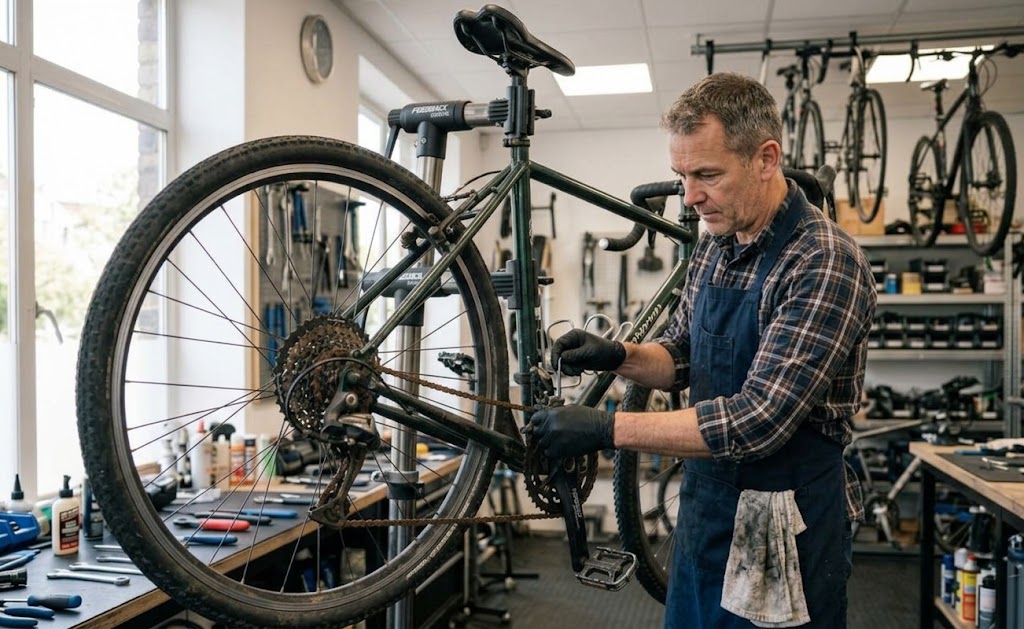
5. You Hear Unusual Creaking, Clicking, or Grinding Sounds
A bicycle does not need to be completely silent, but new or persistent noises deserve attention. Clicking, creaking, knocking, and grinding sounds can sometimes indicate that a component is loose, worn, contaminated, or incorrectly adjusted.
The source of the noise is not always obvious. A creak might come from the saddle, seatpost, pedals, bottom bracket, or handlebars. Clicking may be related to the drivetrain, while grinding could indicate a problem with bearings or braking components.
Pay attention to when the noise occurs. Does it happen only when you pedal hard, turn the handlebars, apply the brakes, or ride over uneven ground? Noticing these details can help a mechanic identify the source more quickly.
Do not assume every noise requires an expensive repair, as some issues are relatively simple to resolve. However, avoid ignoring repeated sounds that are getting louder or are accompanied by changes in handling or pedalling.
If you suspect that the handlebars, wheels, pedals, or another important component is loose, stop riding until it has been checked. A professional bicycle inspection can help identify the cause and prevent further damage.
6. The Wheels Feel Wobbly or the Steering Seems Unstable
Your bicycle should feel predictable when you steer, turn, and ride over ordinary road surfaces. If the handlebars suddenly feel loose, the wheels wobble, or the bike pulls to one side unexpectedly, these symptoms should be investigated before your next journey.
Wheel problems can develop when spokes become loose, a rim becomes damaged, or the wheel moves out of alignment. Tyres that are not seated correctly on the rims can also cause visible wobbling. In some cases, worn wheel bearings may contribute to unwanted movement.
Check that both wheels appear straight when viewed from the front or rear. Look for damaged spokes, cracks, obvious rim damage, or a tyre that does not sit evenly around the wheel. Make sure the wheels are properly secured according to the bicycle’s design.
Steering problems can also result from loose headset components, damaged bearings, or issues with the fork. Because these parts affect your ability to control the bicycle, unusual movement should never be dismissed as a minor inconvenience.
If a wheel wobbles significantly, the steering feels loose, or the bicycle becomes difficult to control, do not continue riding it. Have the relevant components inspected by a qualified mechanic before using the bike again.
7. It Has Been a Long Time Since Your Last Bike Service
Even when a bicycle appears to work normally, regular servicing remains important. Components can gradually wear down without showing obvious symptoms, particularly if you cycle frequently or ride in wet, muddy, or dusty conditions.
If you cannot remember the last time your bike was inspected, it may be worth arranging a service. This is particularly important before a long-distance ride, a daily commuting routine, or a cycling trip where repair facilities may not be easily accessible.
A typical bicycle service may include checking the brakes, gears, tyres, wheels, chain, bearings, and important fasteners. Depending on the bicycle’s condition, the mechanic may also recommend cleaning, lubrication, adjustments, or replacement of worn parts.
How often your bicycle needs servicing depends on how frequently you ride, the conditions you encounter, and the manufacturer’s recommendations. A bicycle used every day in wet weather may require more frequent attention than one used occasionally on dry roads.
Regular inspections can help identify problems early, improve the riding experience, and reduce the likelihood of unexpected breakdowns. Keeping a record of previous repairs and replacements can also make it easier to plan future maintenance.
Conclusion
Recognising the warning signs of bicycle problems can help you avoid unexpected breakdowns and enjoy safer, more comfortable journeys. Weak brakes, slipping gears, damaged tyres, a noisy chain, unusual sounds, unstable steering, and overdue maintenance are all good reasons to arrange an inspection. A few simple checks before each ride, combined with regular professional servicing, can help keep your bicycle working reliably throughout the year. If your bike needs attention or you are unsure about its condition, Edgware Cycles can help you explore the maintenance and repair options needed to get ready for your next ride.