
Why Are My Bike Gears Not Changing Properly? 7 Common Causes
Bicycle gears make it easier to tackle hills, maintain a comfortable pedalling speed and ride efficiently on different roads. When they stop working properly, even a familiar journey can become frustrating. You might find the chain jumping between gears, the shifter refusing to respond or the pedals slipping when you apply pressure.
Gear problems can develop gradually or appear suddenly, depending on the cause. Some issues are relatively simple to identify, while others require adjustments or replacement parts. Understanding the common warning signs can help you recognise what is wrong and decide when your bike needs professional attention.
Here are seven common reasons why your bicycle gears may not be changing properly and what you can do about them.
1. Incorrect Gear Cable Tension
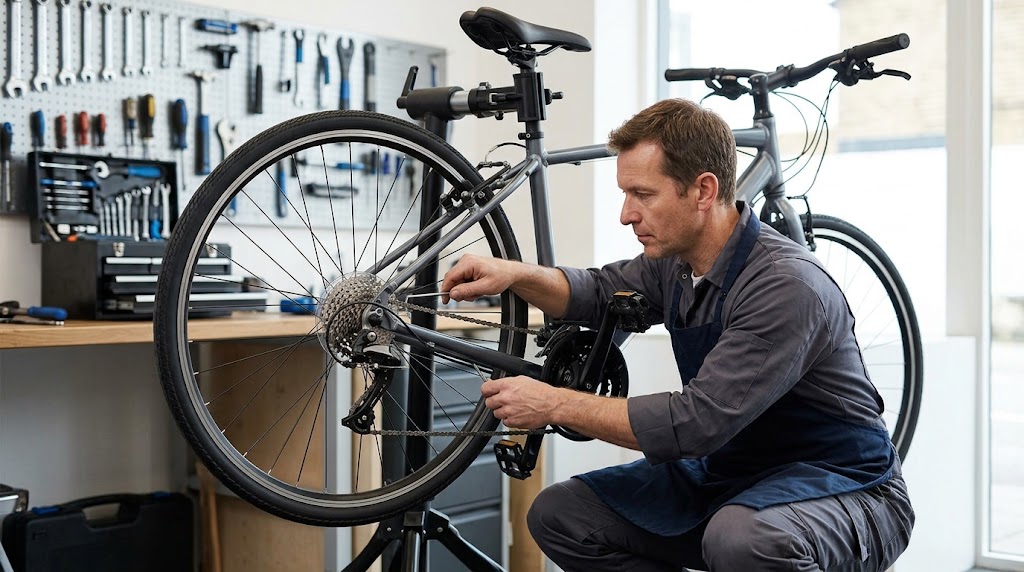
Gear cables connect the shifters on your handlebars to the derailleur, which moves the chain between sprockets. If the cable becomes too loose or too tight, the derailleur may not move the chain accurately.
You might notice that the chain struggles to move onto a larger sprocket, takes several clicks to change gear or makes a clicking noise while riding. Sometimes, the gears work in one direction but struggle when shifting back.
Cable tension can change as a new cable settles into place or as the bicycle gets older. It may also become incorrect after a cable has been replaced or the gears have been adjusted.
A small adjustment to the cable tension can sometimes resolve the problem. However, the correct adjustment depends on the gear system, so avoid turning adjustment screws randomly. If the gears continue to skip or hesitate, a mechanic can check the cable tension and indexing.
2. A Stretched or Worn Gear Cable
Gear cables can wear over time, particularly on bicycles used regularly for commuting. Although the inner cable does not usually stretch significantly in normal use, it can settle, fray or become difficult to move inside its outer housing.
Dirt, moisture and corrosion may also increase friction, making the shifter feel stiff or causing slow gear changes. In some cases, individual cable strands begin to break, creating a risk of sudden failure.
Look for visible fraying near the shifter or derailleur, damaged outer housing and signs of rust. If the cable feels rough or the gears respond inconsistently, it may need cleaning, adjustment or replacement.
Do not continue riding with a badly frayed cable. A failing cable can leave you unable to select the gear you need, particularly when approaching a hill or junction. Replacing a worn cable before it breaks can help keep your gear system reliable.
3. A Dirty or Poorly Lubricated Chain
Your bicycle chain moves across the cassette or rear sprockets and the front chainrings as you change gears. When it becomes covered in dirt, old lubricant or road grime, shifting can become noisy and less precise.
A dirty chain may also wear down the cassette and chainrings more quickly. This can eventually lead to poor gear changes, chain skipping and additional repair costs.
Inspect the chain for thick grime, rust or stiff links that do not move freely. If it is dirty, clean it using a suitable bicycle chain cleaner and apply an appropriate bicycle chain lubricant. Wipe away excess lubricant, as too much can attract more dirt.
Avoid using general-purpose household oils as a substitute for bicycle chain lubricant. The right product depends on your riding conditions, including whether you regularly cycle in wet or dry weather.
Cleaning the chain will not fix every shifting problem. If the chain is worn or the teeth on the cassette have become damaged, replacement parts may be necessary.
4. A Bent or Misaligned Rear Derailleur
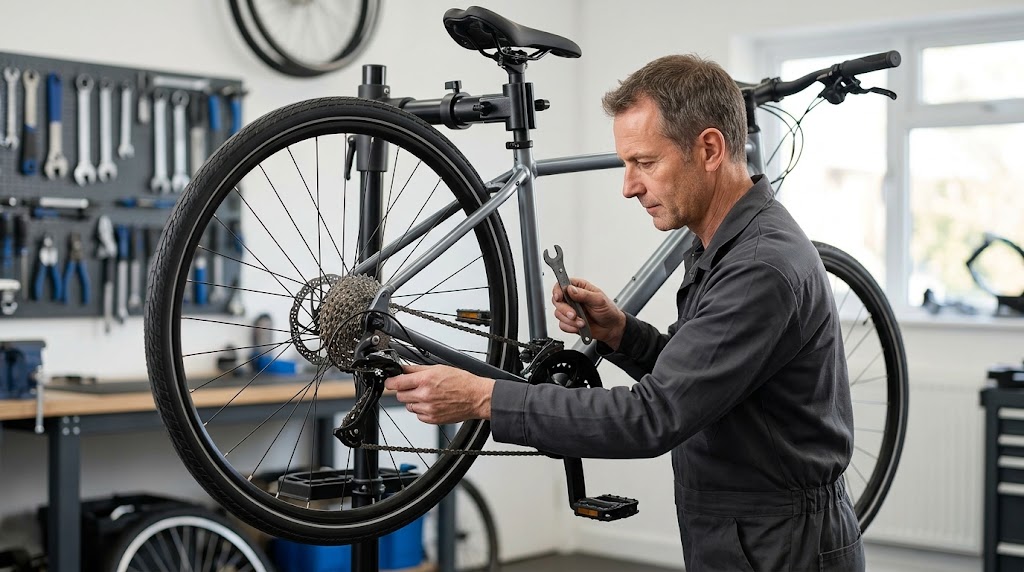
The rear derailleur guides the chain between the sprockets on your rear wheel. For smooth shifting, it needs to be correctly aligned with the cassette.
A derailleur can become misaligned after the bicycle falls over, suffers an impact or is transported carelessly. Even a relatively small bend in the derailleur hanger can prevent the chain from moving cleanly between gears.
Common signs include difficulty selecting certain gears, repeated chain noise and shifting that remains inconsistent despite correct cable tension.
If you suspect a bent derailleur or hanger, have the alignment checked. Do not attempt to bend the parts back by force, as this may cause further damage.
A severely misaligned derailleur can also push the chain beyond the largest or smallest sprocket. In some circumstances, this can damage the wheel, derailleur or spokes. If the chain is moving beyond the cassette, stop riding until the problem has been inspected.
5. Worn Cassette or Chainrings
Bicycle chains, cassettes and chainrings gradually wear through normal use. The rate of wear depends on factors such as mileage, maintenance, riding conditions and how much pressure is applied while pedalling.
As the components wear, the chain may no longer sit securely against the sprocket teeth. You might notice that the chain slips under pressure, particularly when climbing a hill or accelerating.
Worn sprockets can also contribute to rough gear changes, although similar symptoms may result from incorrect adjustment or a worn chain.
A bicycle mechanic can measure chain wear with a suitable chain checker and inspect the cassette and chainrings for damaged or hooked teeth. If the chain has worn beyond its recommended limit, replacing it promptly may help prevent excessive wear to the other components.
If the cassette or chainrings are already badly worn, they may also need replacing. Installing a new chain on heavily worn sprockets can cause continued skipping, so it is important to check the whole drivetrain rather than changing parts without an inspection.
6. Incorrectly Adjusted Limit Screws or Indexing
Your derailleur uses limit screws to restrict how far it can move at either end of the cassette. These settings help prevent the chain from shifting too far beyond the largest or smallest sprocket.
If the limit screws are incorrectly adjusted, the chain may struggle to reach certain gears or attempt to move beyond the cassette. Incorrect indexing, meanwhile, can make the derailleur position slightly out of line with the selected sprocket.
You may hear clicking between gears, experience delayed shifts or find that some gears are difficult to select.
These problems can sometimes be corrected with careful adjustment. However, limit screws are not the same as cable-tension adjusters, and changing the wrong setting can make matters worse.
If your gears have stopped working properly after a repair or component replacement, ask a mechanic to check the indexing and limit settings. Correct adjustment helps the chain move smoothly while keeping it within the intended gear range.
7. Shifting Under Too Much Pedalling Pressure
The way you change gears can also affect performance. When you pedal hard, especially while climbing a steep hill or accelerating quickly, the chain remains under significant tension. Trying to shift several gears at once under heavy pressure can make the change noisy, rough or unreliable.
On many bicycles, particularly those with derailleur gears, it is better to ease the pressure on the pedals briefly while changing gear. Keep the pedals moving, but avoid pushing down hard until the chain has moved onto the selected sprocket.
If you are approaching a hill, change to an easier gear before the gradient becomes steep. This reduces the need to make a sudden shift while applying heavy force.
Some modern drivetrains support more demanding shifts than others, but good shifting technique can still reduce unnecessary strain and help components last longer.
If the chain regularly slips under pressure even when you shift gently, do not assume your technique is the only problem. A worn chain, damaged sprockets or an adjustment issue may also be responsible.
How Can You Prevent Bicycle Gear Problems?
Regular maintenance can help you identify small issues before they develop into more expensive repairs.
Follow these simple habits:
Keep the drivetrain clean: Remove dirt and grime from the chain, cassette and chainrings regularly.
Lubricate the chain correctly: Use suitable bicycle chain lubricant and wipe away excess product.
Check the gears frequently: Pay attention to clicking, delayed shifts or a chain that jumps between sprockets.
Inspect cables and housing: Look for fraying, corrosion, cracks or signs of restricted cable movement.
Avoid excessive pressure when shifting: Ease off the pedals briefly when changing gears under load.
Arrange regular servicing: A professional inspection can identify wear, alignment problems and adjustment issues.
The ideal maintenance schedule depends on how often you ride and the conditions in which you cycle. A bicycle used daily in wet, dirty conditions may need attention more frequently than one ridden occasionally in dry weather.
When Should You Get Your Bike Gears Checked?
If your gears continue to skip, the chain repeatedly comes off or the derailleur appears bent, it is worth arranging a professional inspection. Do not ignore sudden changes in shifting performance, especially if the chain slips while you are applying pressure to the pedals.
Stop riding if the chain becomes trapped, the derailleur appears damaged or the chain moves beyond the cassette. Continuing could cause further damage or lead to a loss of control.
A mechanic can inspect the cables, chain, cassette, derailleur and adjustment settings to identify the cause. Fixing the underlying issue is usually more effective than repeatedly adjusting the gears without knowing what is wrong.
Keep Your Bicycle Shifting Smoothly
Bicycle gears can become unreliable for several reasons, from dirty chains and worn cables to misaligned derailleurs and damaged sprockets. Paying attention to early warning signs and maintaining your drivetrain can help prevent minor problems from becoming more serious. If your gears are not changing properly, Edgware Cycles can help you identify the cause and keep your bicycle running smoothly, whether you use it for daily commuting, weekend rides or longer journeys around London.