
Cycling, at first glance, may seem like a simple sport: a rider, a bike, and a road stretching into the distance. Yet, behind the elegance and apparent ease of professional cycling lies a complex world of science, innovation, and meticulous design. One of the most fascinating aspects of this world is aerodynamics, a principle that can mean the difference between winning a stage or falling behind in a race. Every curve of a bicycle frame, every stitch of a jersey, and every helmet design is the result of hours of research and testing all aimed at cutting through the air more efficiently.
The Invisible Force: Understanding Air Resistance
Air might feel invisible, but when a cyclist races at high speeds, it becomes a formidable opponent. The resistance the air creates against the rider’s body is known as drag, and it can account for as much as 80% of the effort a cyclist exerts on flat terrain. For professional cyclists, overcoming drag is not just a matter of fitness it’s about mastering physics. When a rider moves forward, they push against molecules of air, creating turbulence behind them. This turbulence slows the cyclist down, forcing them to expend more energy. Understanding how this works allows engineers and designers to craft gear that interacts with air in the most efficient way possible. Even small gains in aerodynamics can translate to significant improvements in speed and endurance over long distances, which is why teams invest heavily in wind tunnel testing and computational fluid dynamics simulations.
The Role of the Bike Frame
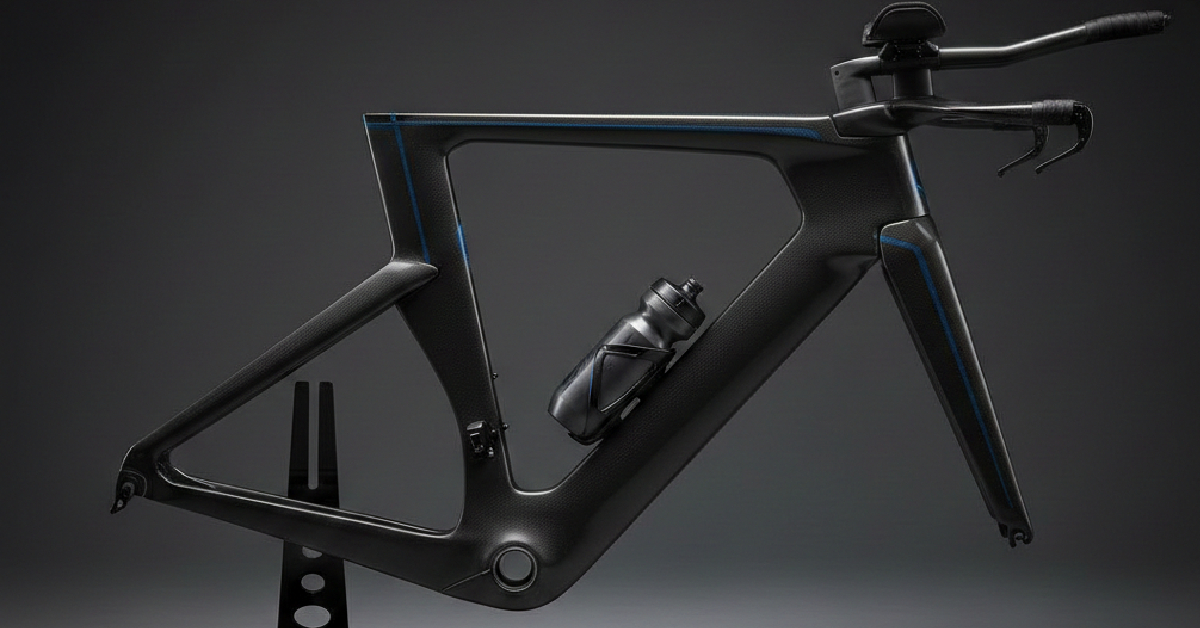
The bike itself is often the first place where aerodynamic gains are realized. Modern professional bikes look sleek, with frames that seem almost sculpted rather than assembled. These shapes are not merely for aesthetics they are carefully engineered to reduce drag. Traditional diamond-shaped frames, once the norm, have been replaced with frames that feature tapered tubes, integrated cables, and smooth junctions. Each contour directs airflow around the bike rather than letting it collide and create turbulence. Even the position of the water bottle on the frame is strategically chosen to minimize aerodynamic penalties. In time trials and triathlons, these changes can shave seconds or even minutes off a rider’s overall time.
Wheels and Tires: Spinning Science
While the frame sets the stage, the wheels play a starring role in aerodynamic performance. Deep-section wheels, often seen on professional road bikes, are designed to cut through the wind more efficiently. The shape of the rim, the width of the tire, and the tread pattern all affect how air flows around the wheel. A wheel that slices through the air cleanly reduces drag, allowing cyclists to maintain higher speeds with less effort. Tires are equally important. Wider tires with lower rolling resistance are increasingly preferred in modern racing, but they must be balanced against aerodynamic considerations. The interaction between the spinning wheel and the air is complex, and designers use wind tunnels and computer simulations to test countless combinations before deciding on a final setup.
The Rider’s Position: More Than Just Sitting on a Bike
Even the best-designed bike cannot compensate for a poor riding position. The cyclist’s body is the largest source of drag, and how they position themselves can dramatically influence performance. Professional riders spend hours perfecting their posture, adjusting handlebar height, saddle position, and even knee angles to reduce air resistance. Time-trial specialists, for instance, often adopt the infamous “aero tuck,” where they lower their torso close to the handlebars, elbows tucked in, head slightly down. This minimizes frontal exposure to the wind, allowing them to slice through the air with maximum efficiency. Coaches and engineers often use motion-capture technology to analyze every angle and tweak positions down to the millimeter, demonstrating just how seriously aerodynamics is taken in professional cycling.
Helmets, Clothing, and Gear: The Final Frontier
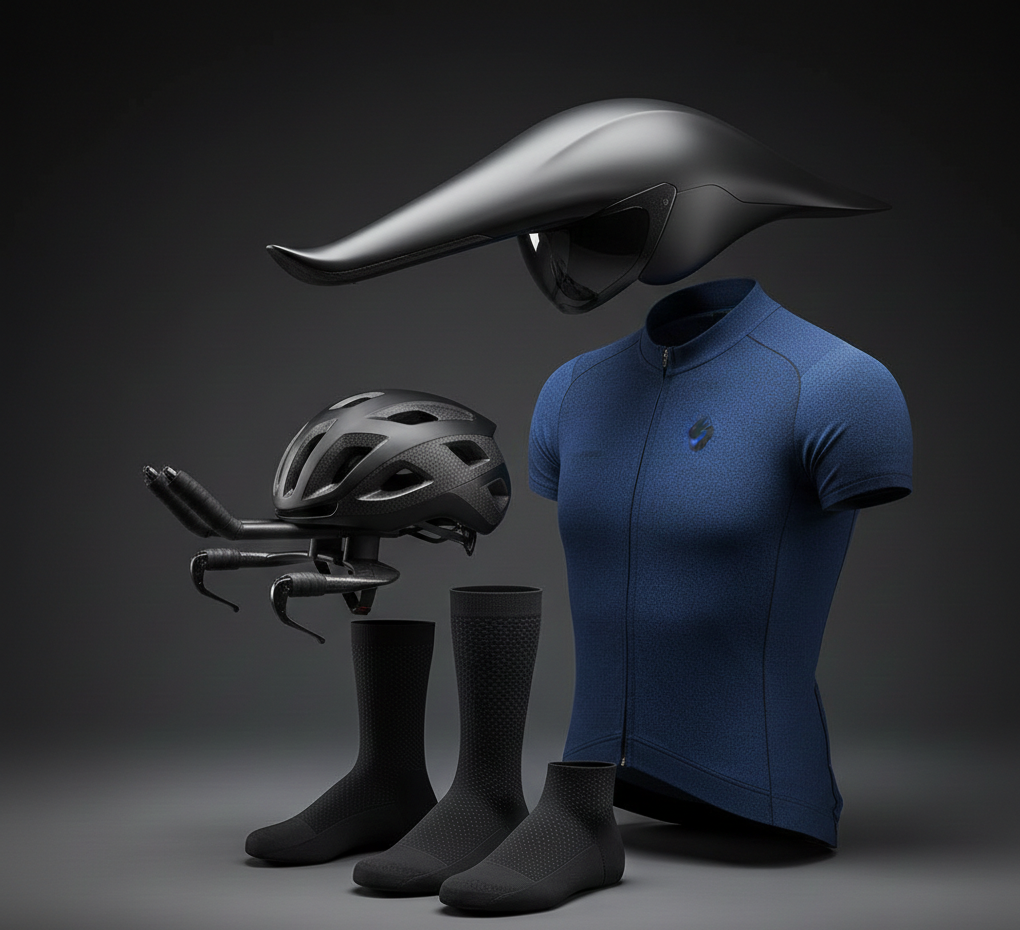
Once the bike and rider are optimized, attention turns to gear. Helmets are no longer just protective; they are aerodynamic tools. Time-trial helmets feature elongated tails that smooth airflow from the head down the back, while road helmets balance protection with airflow channels that reduce drag and keep the rider cool. Cycling clothing has undergone a similar evolution. Traditional jerseys were loose and flapped in the wind, creating turbulence and slowing the rider. Modern jerseys are made from fabrics that cling to the body, with surface textures designed to manage airflow. Even the smallest details like zippers, seams, and fabric stretch are engineered with aerodynamics in mind. Gloves, shoe covers, and even socks contribute, proving that in professional cycling, nothing is too small to ignore.
The Science of Marginal Gains
What makes aerodynamics in cycling truly fascinating is how incremental improvements add up. British cycling legend Sir Dave Brailsford famously coined the term “marginal gains,” the philosophy of breaking down every aspect of performance and improving it by tiny amounts. A faster helmet, a slightly smoother frame, or a 2-millimeter change in posture might seem insignificant on its own, but collectively, these tweaks can give an athlete a measurable advantage. This relentless pursuit of perfection explains why teams spend millions on research, testing, and custom gear. It is a science that blends physics, physiology, and engineering, but at its heart, it is about human ingenuity using knowledge to help riders go faster and push their limits further than ever before.
Aerodynamics and Everyday Cycling
While much of this science is applied at the professional level, aerodynamics also affects everyday cyclists, even if subconsciously. Commuters might not have wind tunnels at their disposal, but choices like riding in a tucked position, wearing fitted clothing, or choosing a smoother bike frame can reduce fatigue and improve speed. Understanding the principles of aerodynamics also encourages safer cycling habits, such as anticipating wind gusts and minimizing sudden body movements that disrupt airflow. It’s a reminder that science doesn’t just belong in labs or high-tech racing teams it can improve ordinary experiences as well. Whether pedaling through city streets or racing down country roads, every cyclist interacts with the invisible force of air, and small adjustments can make rides feel smoother and less strenuous.
Looking Forward: The Future of Aerodynamic Innovation
Cycling is far from static, and the field of aerodynamics continues to evolve. Researchers are exploring new materials, adaptive frames, and clothing that responds dynamically to wind conditions. Smart helmets with integrated sensors, 3D-printed bike components, and AI-driven design tools are on the horizon, promising even greater efficiency and performance. Yet, amidst all the technology, one constant remains: the human element. A cyclist’s skill, strategy, and determination are always at the center, supported and enhanced by aerodynamic innovation rather than replaced by it. It’s a partnership between human effort and scientific insight, a delicate balance that makes professional cycling both an art and a science.
The Edge of Performance
Aerodynamics in cycling demonstrates that speed is rarely about raw power alone. It is a complex interplay of physics, engineering, and precision. Every component from frame to helmet, wheel to jersey works together to help the rider glide through the air with minimal resistance. For those fascinated by the intersection of science and sport, it is a world rich with discovery and ingenuity. Whether you are a casual rider, a commuter, or an aspiring pro, understanding how aerodynamics shapes cycling can change how you ride, what gear you choose, and how you perceive the sport. And if you ever find yourself in need of expert advice, quality equipment, or just a friendly cycling community, places like Edgware Cycle stand ready to guide you on the journey, combining passion with performance for riders of every level.