
There’s something quietly transformative happening on the streets of London. Once dominated by the constant hum of cars, buses, and taxis, many roads are now echoing with a different rhythm the soft whirr of bicycle wheels, the click of gears, and the chatter of riders moving through the city at a human pace. Cycling in London is no longer just a niche activity for enthusiasts or fitness buffs. It has grown into a movement that is changing how people experience their city, interact with one another, and even how neighborhoods are designed. What was once seen as an alternative is now becoming central to London’s urban identity.
A Shift in How People Move
For decades, getting around London meant relying heavily on public transport or braving traffic in a car. But over the past few years, cycling has stepped into the spotlight as a practical, efficient, and often enjoyable way to travel. Part of this shift comes from necessity. Congestion, rising transport costs, and a growing awareness of environmental issues have pushed many Londoners to rethink their daily commute. Cycling offers a sense of control no waiting for delayed trains, no overcrowded carriages, just a direct journey from door to door. But beyond convenience, cycling has brought a sense of freedom back to city travel. Riders are no longer sealed off from their surroundings. They feel the breeze, notice the architecture, and rediscover familiar streets from a fresh perspective.
The Rise of Cycling Infrastructure
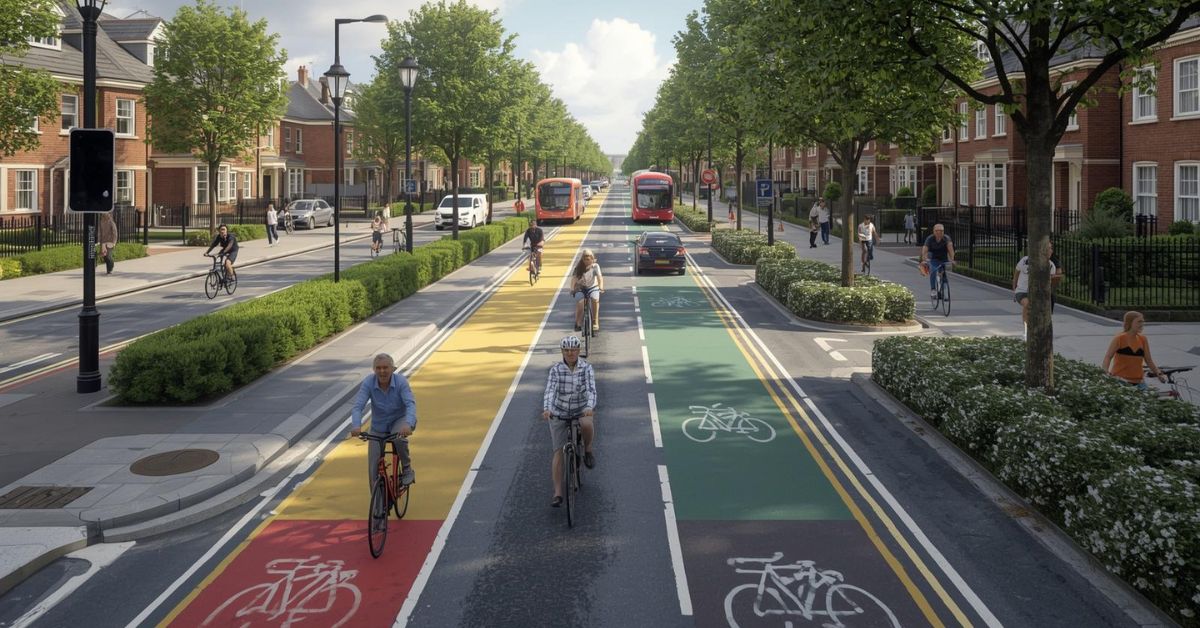
A major factor behind this cycling boom is the city’s investment in infrastructure. London has been steadily building a network of protected bike lanes, often referred to as Cycle Superhighways. These routes provide safer, more accessible pathways for cyclists, separating them from fast-moving traffic. Streets that were once intimidating are becoming more inviting. Wide lanes, clear signage, and dedicated crossings make it easier for beginners to feel confident on a bike. This has opened the door for a more diverse group of people to start cycling not just seasoned riders, but families, students, and older adults. Low Traffic Neighborhoods (LTNs) have also played a role in this transformation. By limiting through-traffic in residential areas, these schemes create calmer streets where people can walk, cycle, and socialize more freely. The result is a noticeable shift in atmosphere less noise, cleaner air, and a stronger sense of community.
Cleaner Air, Healthier Lives
It’s impossible to talk about cycling without mentioning its environmental impact. London has long struggled with air pollution, a problem closely tied to vehicle emissions. As more people switch to bikes, the reduction in traffic contributes to cleaner, healthier air. But the benefits don’t stop there. Cycling is also reshaping public health. Regular riders often experience improved fitness, reduced stress levels, and better overall well-being. In a fast-paced city like London, where stress can easily build up, a daily bike ride offers a rare chance to reset. You can see this shift in parks, along canals, and even in the busiest parts of the city. People are choosing movement over stillness, fresh air over enclosed spaces. It’s a subtle change, but one that adds up over time.
Local Businesses and the Cycling Economy
As cycling becomes more common, it’s also influencing local economies. Independent cafés, bike repair shops, and small retailers are finding new opportunities to serve this growing community. Cyclists tend to move at a slower pace than drivers, making them more likely to stop, browse, and support local businesses. A quiet street with steady bike traffic can feel more alive than a busy road filled with cars rushing past. Bike-friendly businesses are starting to adapt adding racks, offering discounts to cyclists, or simply creating welcoming spaces where riders can pause and recharge. This shift is helping to strengthen local economies while fostering a more connected urban experience.
Building Stronger Communities
One of the most unexpected outcomes of London’s cycling growth is its impact on social connections. When people travel by car or underground, interactions are limited. Cycling, on the other hand, brings people into shared spaces. You might exchange a nod at a traffic light, strike up a conversation at a bike rack, or join a group ride through the city. These small moments create a sense of belonging that’s often missing in large urban environments. Community cycling groups have also emerged across London, offering support, guidance, and a sense of camaraderie. For newcomers, these groups can make all the difference turning what might feel like a daunting experience into an enjoyable one.
Changing the Design of the City
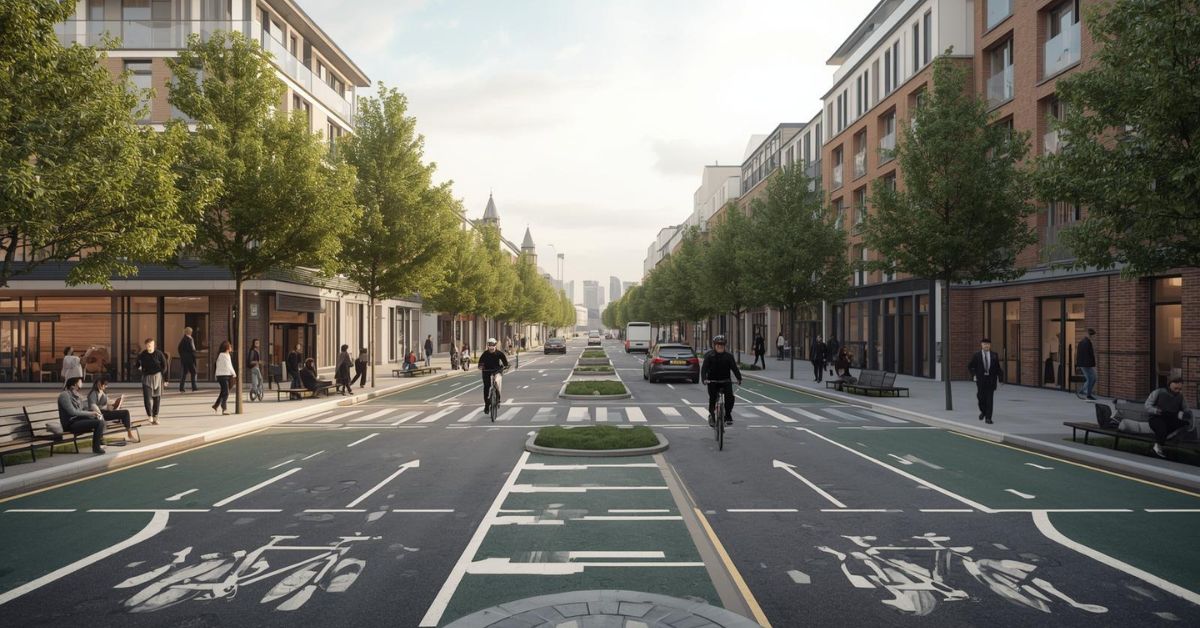
As cycling continues to grow, it’s influencing how London is planned and built. Urban designers are rethinking the purpose of streets, shifting the focus away from cars and toward people. Wider pavements, more green spaces, and safer crossings are becoming priorities. Roads are no longer just routes for vehicles they’re places where people live, work, and interact. Cycling plays a key role in this transformation, acting as a bridge between mobility and community. Even major developments now consider cycling infrastructure from the outset. Secure bike storage, easy access to cycle routes, and integrated design features are becoming standard. This reflects a broader recognition that cycling isn’t just a trend it’s a lasting part of London’s future.
Challenges Along the Way
Of course, the shift toward cycling hasn’t been without its challenges. Not everyone is convinced, and debates around road space, funding, and safety continue to shape the conversation. Some drivers feel that changes to road layouts make their journeys more difficult. Others question whether cycling infrastructure is being implemented fairly across different parts of the city. There are also practical concerns. Bike theft remains an issue, and not all areas have equal access to safe cycling routes. Addressing these challenges will be essential if London wants to maintain its momentum. However, these growing pains are part of any major transition. The key lies in finding a balance creating a system that works for everyone while continuing to encourage sustainable travel.
A New Identity for London
What’s becoming clear is that cycling is doing more than changing how people get around it’s reshaping how London feels. The city is becoming more human, more accessible, and more connected. Streets that once felt overwhelming are now places where people linger. Neighborhoods are gaining character as traffic slows and community life takes center stage. Cycling is helping to redefine what it means to live in a global city. It’s not about replacing other forms of transport, but about creating a more balanced system. One where cycling, walking, and public transport work together to support a healthier, more sustainable way of life.
Looking Ahead
The future of cycling in London looks promising. With continued investment, growing public support, and a clear need for sustainable solutions, it’s likely that bikes will play an even bigger role in the years to come. As more people take to two wheels, the ripple effects will continue cleaner air, stronger communities, and streets designed with people in mind. London is evolving, and cycling is at the heart of that change. For those considering making the switch, there’s never been a better time to start. Whether it’s a short commute, a weekend ride, or a complete lifestyle change, every journey contributes to this ongoing transformation. And as the city continues to embrace this shift, places like Edgwarecycles are becoming part of the conversation, supporting riders and helping to keep London moving forward one pedal at a time.