
If you’ve lived in London long enough, you’ve probably woken up to the dreaded news alert: Tube strike today. Stations close, platforms overflow, buses crawl, and suddenly the city feels twice as crowded and half as patient. For many Londoners, this is when cycling stops being a lifestyle choice and becomes a survival skill. Cycling during a Tube strike can feel intimidating at first, especially if you’re used to hopping on the Underground without a second thought. But with the right mindset, preparation, and a few local tricks, it can actually turn into one of the most freeing ways to get around the city. Here’s how to not just cope, but genuinely survive and maybe even enjoy cycling in London when the Tube grinds to a halt.
Why Cycling Becomes the Smartest Option During Tube Strikes
When the Tube stops, everything else strains under the pressure. Buses are packed beyond comfort, taxis are scarce and expensive, and ride-hailing apps suddenly feel like luxury services. Cycling, on the other hand, keeps moving. One of the biggest advantages of cycling during a strike is reliability. You’re not waiting for updates, delays, or “severe disruption” announcements. Your bike doesn’t care about industrial action. It just needs you to pedal. There’s also a surprising emotional benefit. While others are stressed, late, or stuck in queues, cyclists often glide past traffic, feeling oddly calm amid the chaos. That sense of control can make a rough commuting day feel manageable.
Plan Your Route Like a Local (Not Like Google Maps)
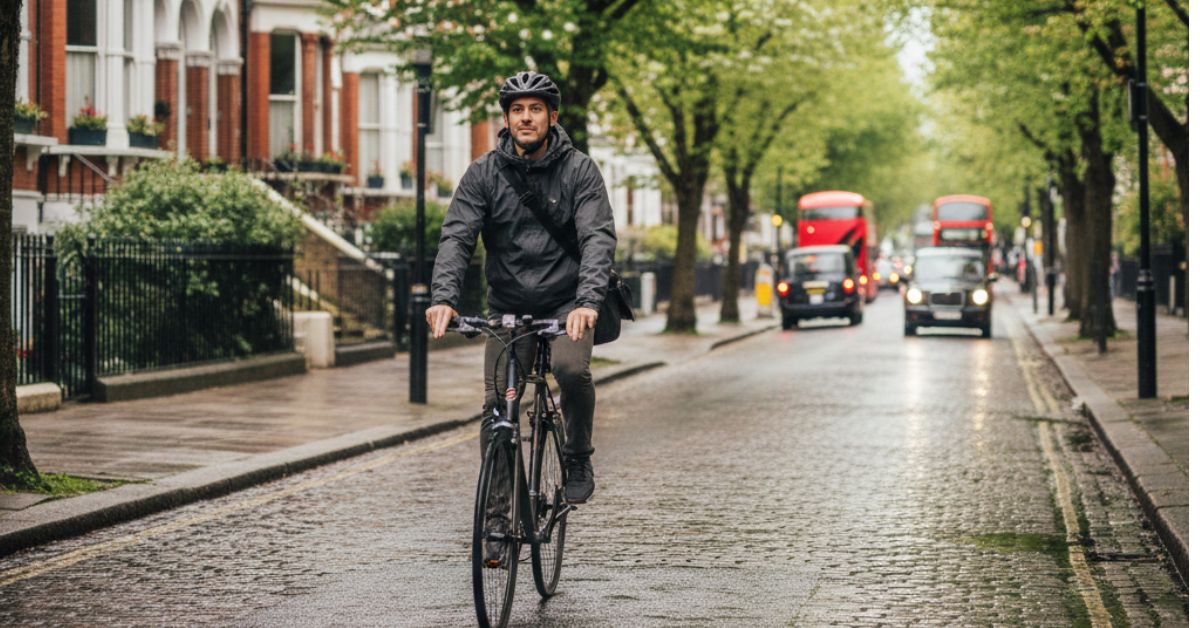
During a Tube strike, main roads become choke points. Everyone diverts onto the same routes, and that includes drivers, buses, and cyclists who don’t know better. The key to surviving is choosing routes that prioritise safety and flow, not just speed. London has an expanding network of cycle lanes, quieter backstreets, canal paths, and park routes. Use these whenever possible, even if they add a few minutes to your journey. A calmer ride is always better than a faster but stressful one. It’s also worth doing a “dry run” of your route if you’re new to cycling. Knowing where junctions get messy or where lanes suddenly disappear can save you a lot of anxiety on the day itself.
Timing Is Everything on Strike Days
Rush hour on a normal day is one thing. Rush hour during a Tube strike is something else entirely. If you can adjust your schedule even slightly, do it. Leaving earlier than usual can mean quieter roads and fewer impatient drivers. Alternatively, heading out after peak hours can turn your commute into a surprisingly pleasant ride. If you work somewhere flexible, consider starting later or finishing earlier on strike days. Cycling gives you that flexibility, and using it can make all the difference between a tense journey and a smooth one.
Dress for the Ride You’ll Actually Have
Cycling in London during a strike often means longer journeys and heavier traffic, which equals more effort. Dressing appropriately matters more than people realise. You don’t need full Lycra, but breathable layers are your friend. London weather is unpredictable, so a lightweight waterproof jacket can save your day. Avoid bulky bags that throw off your balance, and if you’re carrying work clothes, pack them neatly or leave a spare outfit at the office if you can. Visibility is also crucial. With crowded roads and stressed drivers, bright or reflective clothing helps you stand out, especially during early mornings or evenings.
Ride Defensively, Not Aggressively
Tube strike days bring out the worst in road behaviour. Drivers are frustrated, buses are overworked, and some cyclists ride like they’re racing against the clock. The safest approach is calm, predictable cycling. Signal clearly, make eye contact at junctions, and don’t assume anyone has seen you. Stick to a steady pace rather than weaving through traffic. You’ll often arrive at the same time anyway, just with lower blood pressure. Remember: surviving the commute isn’t about proving a point. It’s about getting where you’re going safely.
Know When to Dismount and Walk
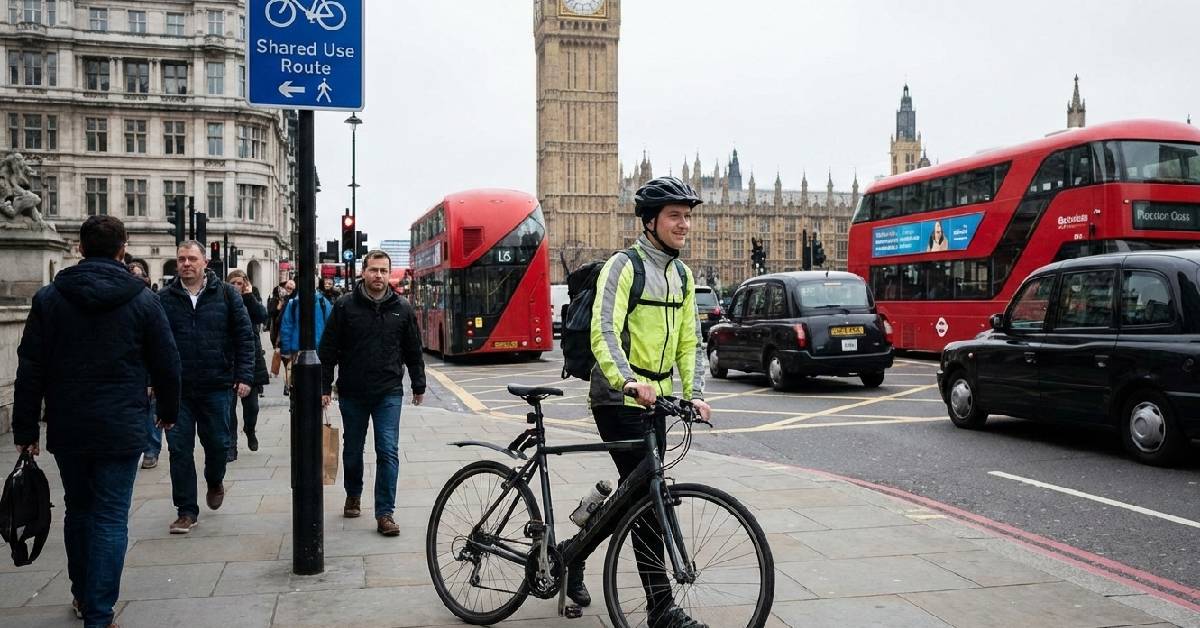
There’s no shame in getting off your bike. Busy junctions, overcrowded bridges, and chaotic roundabouts can sometimes be easier to navigate on foot, especially during strike-day madness. Pushing your bike for a minute or two can give you a mental reset and keep everyone safer. London cycling isn’t about constant pedalling; it’s about adapting to the environment around you.
Fuel Yourself and Pace the Ride
Cycling further than usual means your body will notice. Skipping breakfast or underestimating how much energy you’ll use is a common mistake. Eat something before you set off, even if it’s small. Stay hydrated, and don’t feel pressured to push hard the whole way. A steady pace will get you there without leaving you exhausted before the workday even begins. One of the underrated benefits of cycling during strikes is how quickly your fitness improves. What feels tough the first time often becomes surprisingly easy by the third or fourth ride.
Embrace the Mental Shift
The biggest challenge of cycling during Tube strikes isn’t physical it’s mental. Many people approach it with dread, imagining danger, exhaustion, or embarrassment. In reality, most riders finish their commute feeling oddly proud. There’s something empowering about navigating London under your own steam when the city’s main transport system is down. You start noticing streets you’ve never seen, cafés you’d otherwise pass underground, and a rhythm to the city that’s easy to miss from a train carriage. Once that mental switch flips, cycling stops feeling like a backup plan and starts feeling like a genuine alternative.
What to Do When Things Go Wrong
Punctures, sudden rain, or wrong turns can happen, especially when you’re cycling more often. The key is not to panic. Carry the basics if you can: a spare tube, a pump, or at least a plan for what you’ll do if something goes wrong. London is full of bike shops, repair stands, and fellow cyclists who are usually happy to help. Most “disasters” turn into minor delays with a bit of patience.
Turning Tube Strike Cycling Into a Long-Term Habit
Many Londoners first start cycling out of necessity during a Tube strike and then realise they don’t actually want to stop. What begins as a stressful experiment often becomes a regular part of their routine. You save money, gain fitness, and reclaim time that would otherwise be spent aiting on platforms. Even cycling part of the journey and combining it with other transport can make commuting feel more human. And when the next strike is announced, instead of groaning, you might just check your tyres and smile.
Final Thoughts
Surviving cycling in London during Tube strikes is less about toughness and more about preparation, awareness, and mindset. With the right route, sensible pacing, and a calm approach, it can turn one of the city’s most frustrating situations into something unexpectedly positive. And if you find yourself enjoying the ride and thinking about upgrading your setup or getting your bike checked before the next strike hits, it might be worth popping into Edgware cycles because once you’ve discovered the freedom of cycling through a strike-hit London, you may never look at the Tube the same way again.