
Autumn is a beautiful season for cycling. The streets become quieter, parks are filled with golden leaves, and the cooler temperatures make long rides more comfortable than they are during the height of summer. Whether you’re commuting to work, enjoying weekend rides, or simply exploring new routes, autumn offers plenty of reasons to get back on your bike.
However, the season also brings its own challenges. Wet roads, fallen leaves, shorter days, and unpredictable weather can make cycling more difficult if you’re not properly prepared. A little extra planning and the right equipment can make all the difference, helping you stay safe while enjoying everything autumn has to offer.
Here are some practical autumn cycling tips to help you ride with confidence throughout the season.
1. Be Prepared for Changing Weather
One of the biggest challenges of autumn is the unpredictable weather. You might leave home under blue skies only to encounter rain and strong winds later in the day.
Before setting off, always check the weather forecast and plan your ride accordingly. Carrying a lightweight waterproof jacket is a simple way to stay dry if conditions suddenly change. Choosing breathable clothing also helps regulate your body temperature, preventing you from becoming too hot during climbs or too cold during breaks
.
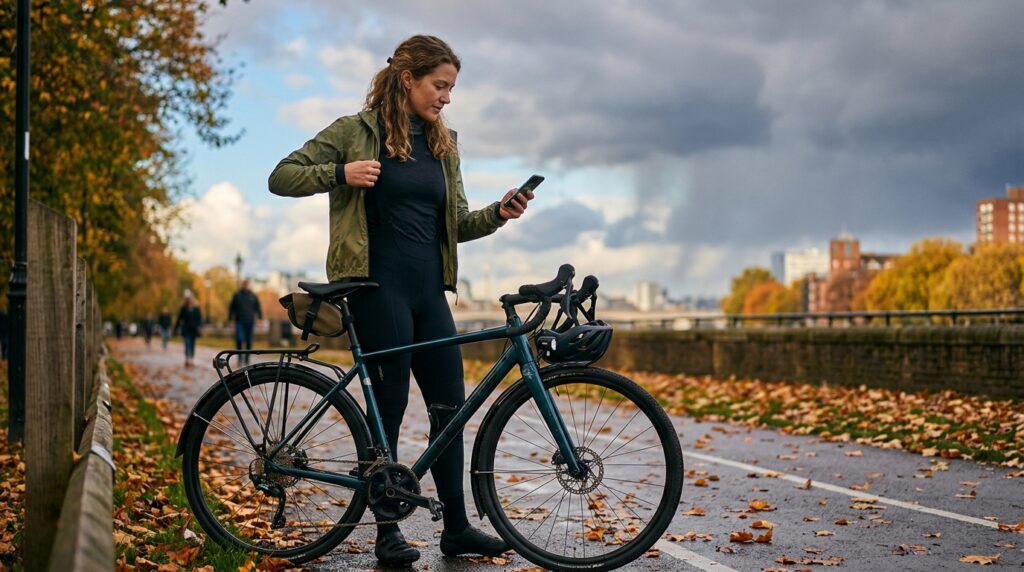

Layering your clothing is often the best approach during autumn because it allows you to adapt as temperatures change throughout the day.
2. Increase Your Visibility
As autumn progresses, daylight hours become shorter. Many cyclists find themselves riding during early mornings or after sunset, when visibility is reduced.
Bright front and rear lights are essential during this time of year. Even if you’re cycling during daylight, using lights can make you more noticeable to drivers and pedestrians.
Reflective clothing, ankle bands, gloves, and backpacks also improve your visibility. Bright colours such as yellow, orange, and fluorescent green stand out far better than dark clothing on gloomy autumn days.
Making yourself easier to see is one of the simplest ways to improve your safety on the road.
3. Watch Out for Wet Leaves
Autumn leaves may look attractive, but they can become surprisingly slippery when wet.
Leaves often collect around corners, cycle lanes, park paths, and roadside gutters. Riding over them at speed can reduce tyre grip, increasing the risk of skidding.
Whenever possible, avoid riding directly over thick piles of leaves. If you need to cross them, slow down, avoid sudden braking, and keep your steering movements smooth.
Treat wet leaves with the same caution you would give to patches of ice.
4. Check Your Tyres Regularly
Your tyres play a vital role in maintaining grip during wet autumn conditions.
Inspect them regularly for cuts, cracks, or excessive wear. Worn tyres provide less traction, particularly on damp roads.
Maintaining the correct tyre pressure is equally important. Slightly lower pressures can sometimes improve grip on wet surfaces, but always stay within the manufacturer’s recommended range.
Good-quality tyres provide greater confidence when cornering and braking during unpredictable weather.
5. Allow More Time to Brake
Wet roads reduce braking performance.
Because stopping distances increase in damp conditions, it’s important to leave extra space between yourself and other road users.
Brake earlier than usual, particularly when approaching junctions, crossings, or traffic lights.
Apply both brakes gradually rather than squeezing them suddenly. Smooth braking helps maintain stability and reduces the chance of your wheels locking up.
Developing this habit makes riding safer throughout the wetter months.
6. Keep Your Bike Clean
Autumn roads often contain mud, grit, and moisture that quickly build up on your bicycle.
Cleaning your bike after wet rides helps prevent dirt from damaging important components such as the chain, cassette, brakes, and gears.
Pay particular attention to:
- Chain
- Derailleur
- Brakes
- Wheels
- Frame
After cleaning, lubricate the chain with a suitable wet-weather lubricant to keep it running smoothly and protect it from rust.
Regular maintenance not only improves performance but also extends the lifespan of your bike.
7. Dress for Comfort
Autumn temperatures can change significantly throughout the day.
Instead of wearing one heavy jacket, dress in layers that can easily be added or removed.
Useful autumn cycling clothing includes:
- Long-sleeved cycling jersey
- Waterproof jacket
- Thermal gloves
- Leg warmers
- Windproof gilet
- Thin cycling cap
Keeping your hands, ears, and feet warm makes a noticeable difference on chilly mornings.
Comfort allows you to stay focused on the road rather than thinking about the cold.
8. Keep Your Drivetrain Protected
Rain and road dirt can quickly wear down your bike’s drivetrain.
Cleaning and lubricating the chain regularly reduces friction and helps maintain smooth gear changes.
If you frequently ride in wet conditions, consider cleaning the drivetrain after every few rides.
A well-maintained drivetrain shifts more efficiently and lasts considerably longer.
9. Slow Down on Corners
Autumn roads often hide hazards that are easy to overlook.
Loose gravel, wet leaves, muddy patches, and standing water can all reduce tyre grip when cornering.
Approach bends slightly slower than usual and avoid making sudden steering movements.
Looking ahead and choosing a smooth line through corners improves both safety and confidence.
Remember that arriving safely is always more important than riding quickly.
10. Plan Your Route Carefully
Not all cycling routes are equally suitable during autumn.
Parks and woodland trails may become muddy or covered with leaves, while some quiet roads drain better than others.
Planning your journey before leaving home helps you avoid flooded areas, poorly maintained surfaces, or heavily trafficked roads.
If possible, choose well-lit routes with dedicated cycle lanes, especially if you’ll be returning after dark.
A familiar route often provides greater confidence during challenging weather conditions.
11. Carry Essential Repair Equipment
Autumn weather increases the chances of punctures and minor mechanical problems.
A small saddle bag containing basic repair equipment can save your ride.
Useful items include:
- Spare inner tube
- Tyre levers
- Mini pump
- Multi-tool
- Patch kit
These essentials take up very little space but can make a big difference if something unexpected happens.
Being prepared means you can often solve small issues without needing assistance.
12. Stay Alert Around Other Road Users
Reduced daylight and poor weather can affect everyone’s visibility.
Drivers may have fogged-up windows, pedestrians may be wearing dark clothing, and other cyclists might be harder to spot.
Make eye contact whenever possible at junctions and crossings, signal your intentions clearly, and avoid riding in vehicle blind spots.
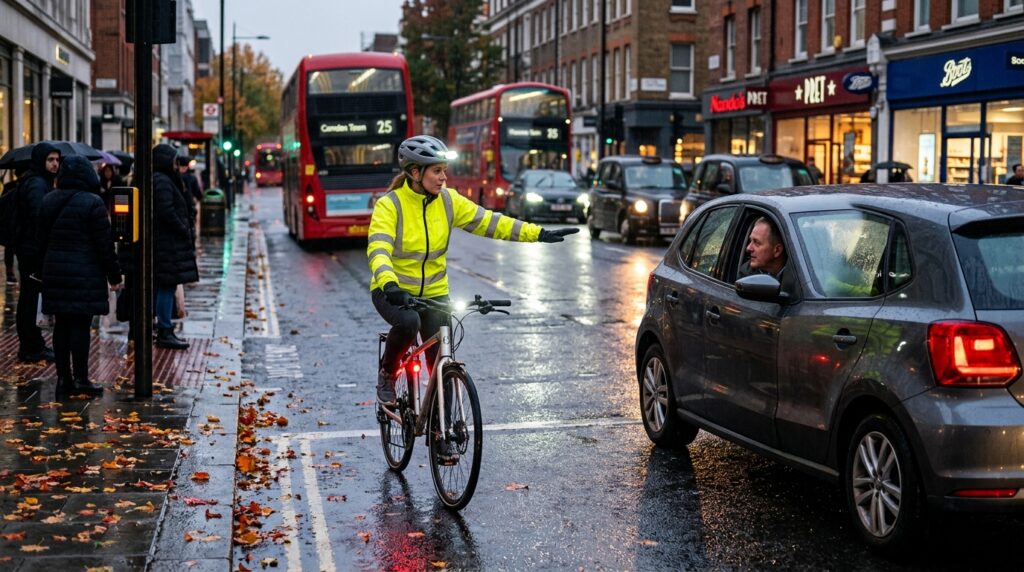
Defensive cycling helps reduce unnecessary risks and creates a safer experience for everyone sharing the road.
Enjoy Every Autumn Ride
Autumn is one of the most rewarding times of year to cycle. The cooler air, colourful scenery, and quieter roads create ideal conditions for both commuting and leisure rides. By preparing your bike, wearing the right clothing, and adjusting your riding style to suit the season, you can continue cycling safely and comfortably throughout the autumn months. Regular maintenance, reliable accessories, and sensible riding habits will help you make the most of every journey. If you’re looking for expert bike servicing, quality cycling accessories, or professional advice before the colder months arrive, the experienced team at Edgware Cycles is always ready to help you keep your bike in excellent condition for every autumn adventure.