
A bike has a way of becoming part of your routine without you even noticing it. It takes you through busy streets, peaceful morning rides, weekend adventures, and quick errands around town. Over time, though, even the most reliable bicycle starts showing signs that it needs attention. The problem is that many riders ignore these warning signs until something goes seriously wrong. Unlike a car, a bike does not suddenly stop working overnight. Most issues build up slowly. The brakes feel slightly weaker, the gears become less smooth, or strange noises begin to appear during rides. Because these changes happen gradually, riders often adapt to them without realizing how much the bike’s condition has declined. A proper tune-up keeps your bicycle running smoothly, safely, and comfortably. More importantly, it helps prevent expensive repairs and frustrating breakdowns later. If your bike has been feeling different lately, it may already be telling you that it needs some care. Here are some of the clearest signs your bike needs a tune-up before minor issues turn into major problems.
Your Gears Are Not Shifting Smoothly
One of the first signs that a bike needs attention is poor gear shifting. A healthy bike should shift smoothly and respond quickly when you change gears. If your chain hesitates, skips, or struggles to move between gears, something is likely out of adjustment. You may notice the chain making clicking noises while riding or slipping unexpectedly during pedaling. Sometimes the bike refuses to stay in gear, especially when climbing hills or riding at higher speeds. These problems are often caused by stretched cables, a dirty drivetrain, worn components, or derailleur misalignment. While they may seem small at first, ignoring them can lead to faster wear on the chain and cassette. Smooth shifting makes every ride easier and more enjoyable. If changing gears has become frustrating instead of effortless, your bike is likely overdue for a tune-up.
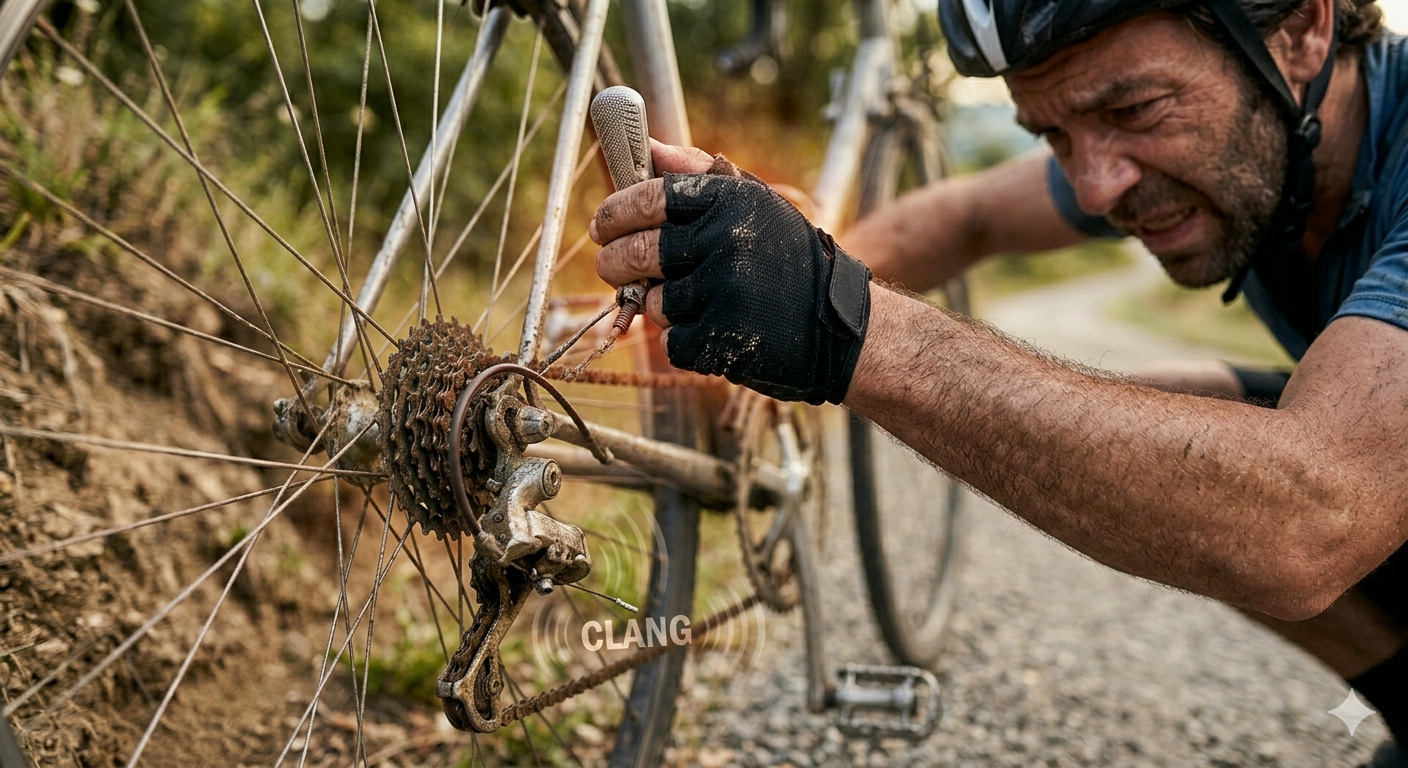
Your Brakes Feel Weak or Unresponsive
Brakes are one of the most important safety features on any bicycle. If they do not feel strong and reliable, your bike needs immediate attention. Many riders overlook brake issues because the decline happens gradually. You may notice that the brake levers need to be pulled harder than usual or that the bike takes longer to stop. In some cases, the brakes may squeal loudly or vibrate during use. Worn brake pads, stretched cables, dirty rotors, or misaligned brakes can all reduce stopping power. Even a small drop in brake performance can become dangerous in traffic, wet weather, or downhill riding conditions. A tune-up ensures your brakes are properly adjusted and capable of stopping the bike safely when needed. Strong brakes not only improve safety but also give you confidence while riding.
You Hear Strange Noises While Riding
Bikes are not completely silent, but unusual sounds should never be ignored. Clicking, grinding, squeaking, or rattling noises usually indicate that something needs attention. A squeaky chain may simply need lubrication, while grinding sounds can point to worn bearings or drivetrain issues. Loose bolts and components may also create rattling noises over rough roads. Many riders make the mistake of turning up their headphones or ignoring the sounds altogether. Unfortunately, unusual noises are often early warnings that something is wearing out or becoming loose. A properly maintained bike should feel smooth and predictable. If your bicycle suddenly sounds different during rides, it is a strong sign that a tune-up is needed.
The Ride Feels Rougher Than Usual
Sometimes the warning signs are not mechanical noises but changes in how the bike feels. If your ride has become rough, uncomfortable, or harder to control, maintenance may be overdue. Low tire pressure is one common reason. Soft tires increase rolling resistance, make pedaling harder, and reduce handling performance. Worn tires can also create vibrations and reduce grip on the road. In other cases, rough riding may come from loose headset bearings, wheel issues, or worn suspension components on mountain bikes. Many cyclists slowly adjust to these problems without realizing how much smoother the bike could feel with proper care. A tune-up can restore comfort and improve the overall riding experience
.
Your Chain Looks Dirty or Rusty
The chain is one of the hardest-working parts of a bicycle, yet it is often ignored. A dry, dirty, or rusty chain creates friction that affects the entire drivetrain. If your chain appears black with grime or makes squeaking noises while pedaling, it likely needs cleaning and lubrication. Rust spots are another clear warning sign that moisture and neglect are damaging the metal. Riding with a neglected chain not only reduces performance but also wears out expensive components much faster. Over time, the cassette and chainrings can become damaged as well. Keeping the chain clean and lubricated is one of the simplest ways to protect your bike. If the drivetrain looks neglected, a tune-up is definitely worth considering.
Your Tires Wear Out Faster
Tires naturally wear down over time, but uneven or excessive wear can signal larger problems. Cracks, bald spots, or repeated punctures may indicate poor maintenance or alignment issues. Underinflated tires are especially common among casual riders. They increase rolling resistance and make flats more likely. On the other hand, overinflated tires can reduce comfort and grip. Wheel alignment issues may also cause tires to wear unevenly. If your bike constantly feels unstable or pulls slightly to one side, it may need adjustment. A tune-up helps ensure your wheels and tires are in proper condition for safer and smoother riding.
The Handlebars or Seat Feel Loose
Loose handlebars or a wobbly seat may seem minor at first, but they should never be ignored. These components affect balance, comfort, and overall control of the bicycle. If the handlebars shift unexpectedly while riding or the seat moves during pedaling, there may be loose bolts or worn parts that need tightening or replacement. Riding with unstable components can become dangerous, especially at higher speeds or on uneven roads. A professional tune-up can identify these issues before they become serious safety risks.
You Have Not Serviced the Bike in a Long Time
Sometimes the clearest sign your bike needs a tune-up is simply time. Even if the bicycle seems to ride normally, regular maintenance is still important. Cables stretch, lubricants dry out, and components slowly wear with use. Weather conditions, dust, rain, and rough roads all affect the bike over time. or riders who cycle frequently, an annual tune-up is usually a good idea. Daily commuters or performance cyclists may need maintenance even more often. Waiting until something breaks is rarely the best approach. Preventive care keeps your bike reliable and reduces long-term repair costs
.
Your Bike Feels Slower and Harder to Ride
A properly maintained bike should roll smoothly and efficiently. If pedaling suddenly feels harder than usual, there may be hidden mechanical resistance slowing you down. Dirty drivetrains, dry bearings, rubbing brakes, and low tire pressure all reduce efficiency. Many riders assume they are simply tired or out of shape when the real issue is the bike itself. A tune-up can make an older bike feel surprisingly fast and responsive again. Small adjustments often create a noticeable difference in performance.
You No Longer Enjoy Riding as Much
One of the biggest signs your bike needs attention is emotional rather than mechanical. If riding has started feeling frustrating instead of enjoyable, the bike may be part of the problem. Cycling should feel smooth, comfortable, and fun. Constant gear problems, squeaky components, weak brakes, or rough handling slowly take the enjoyment out of riding. Many people ride less often because their bike no longer feels good to use. After a proper tune-up, however, the difference can feel dramatic. Sometimes a bike does not need replacing at all. It simply needs care.
Final Thoughts
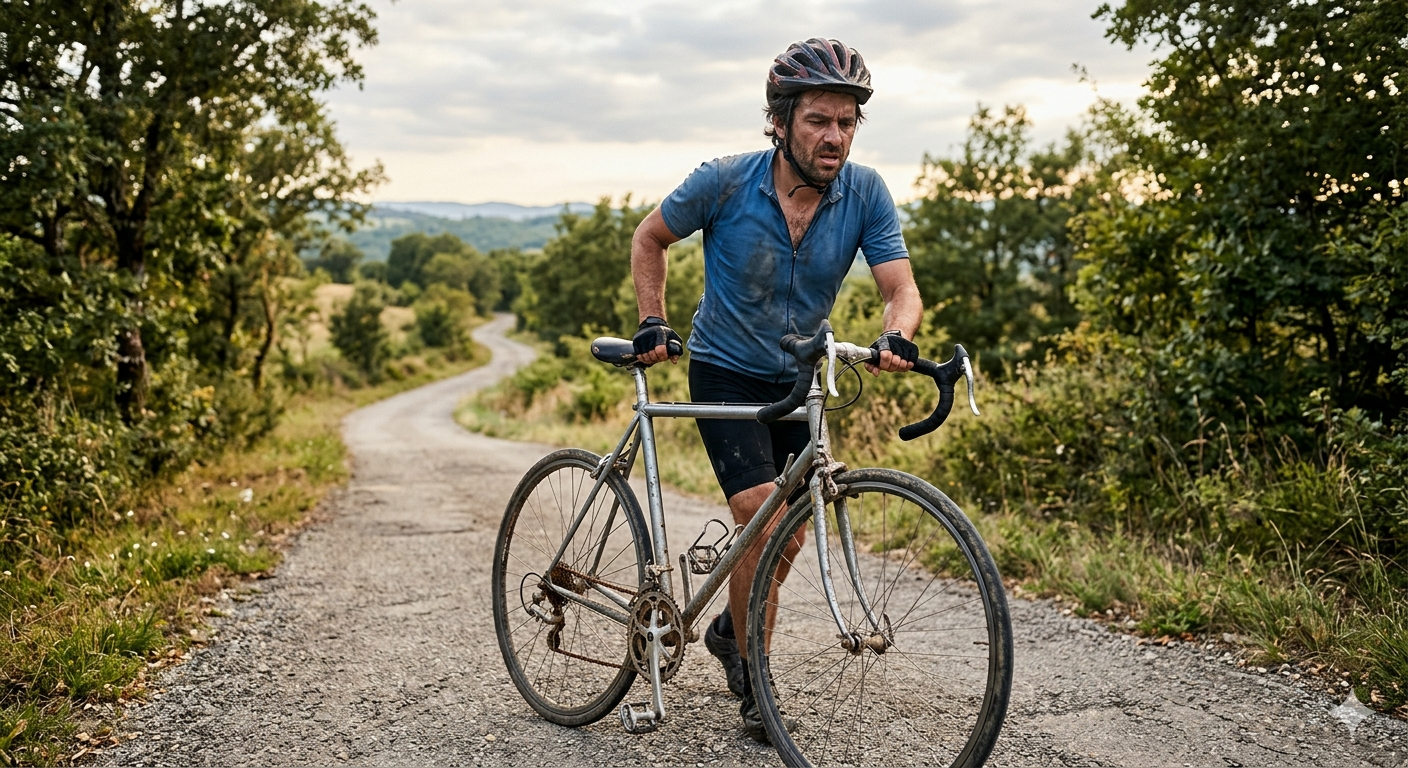
A bicycle gives clear warning signs when something is wrong, but many riders ignore them until repairs become expensive or safety becomes a concern. Weak brakes, rough shifting, strange noises, worn tires, and uncomfortable rides are all signals that your bike may need a tune-up. Regular maintenance keeps your bicycle safer, smoother, and more enjoyable to ride. It also protects your investment by preventing small problems from turning into major repairs later. Even simple adjustments can completely change how a bike feels on the road. Paying attention to these warning signs can save you money, improve performance, and make every ride more enjoyable. Whether you ride every day or only on weekends, taking care of your bike is always worth the effort. A properly tuned bicycle not only performs better but also lasts longer and feels more dependable every time you ride, especially when supported by trusted cycling experts like edgware cycle.