
If you have an old bicycle sitting in your garage or you are thinking about upgrading to a newer model, selling your current bike can be a practical way to make better use of it. Whether you ride a road bike, hybrid, mountain bike or electric bike, preparing it properly can help you present it in the best possible condition and make the selling process easier.
For cyclists across London, there are different ways to sell a bicycle, including private sales and specialist cycle shops. Another option is part exchange, which allows you to put the value of your existing bike towards another bicycle.
In this guide, we explain how to prepare your bike for sale, what affects its value and what to consider before choosing between an outright sale and a part exchange.
- Give Your Bike a Thorough Clean
One of the simplest ways to prepare a bicycle for sale is to clean it properly. A bike covered in mud, dust or oily residue can be difficult to assess, even if it has been well maintained.
Start by cleaning the frame, wheels, tyres and handlebars with suitable bicycle cleaning products. Use a brush to remove dirt from hard-to-reach areas, particularly around the chain, cassette and chain rings.
After washing, dry the bicycle thoroughly to help prevent corrosion. If you clean the drivetrain, apply an appropriate bicycle chain lubricant afterwards and wipe away any excess.
Avoid using excessive water pressure around bearings, suspension components and other sensitive areas.
A clean bicycle makes it easier to identify its actual condition and helps anyone assessing it see the frame and components more clearly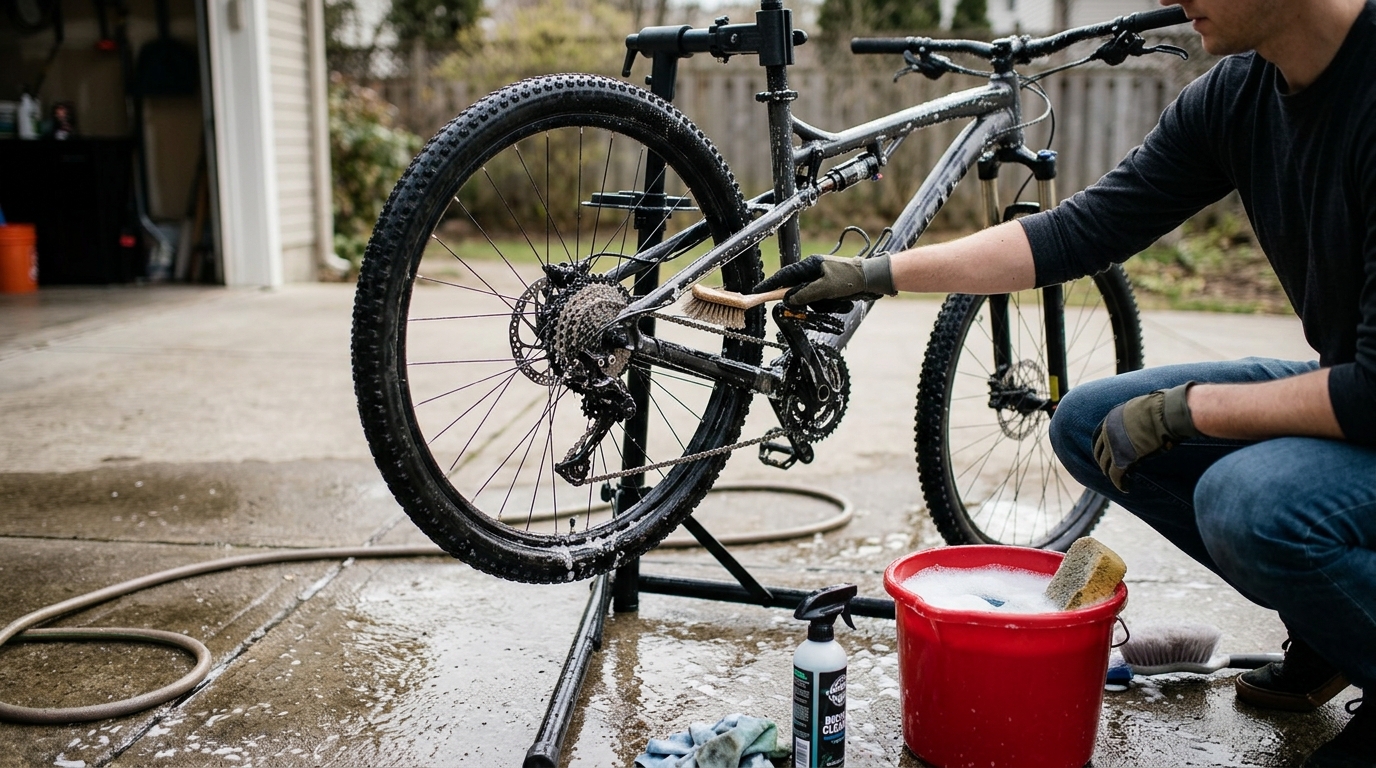
- Check the Brakes, Gears and Tyres
Before selling your bike, carry out a basic visual inspection. You do not necessarily need to pay for a full service before requesting a valuation, but you should understand the bicycle’s current condition.
Pay particular attention to:
- Brakes: Check that the brake levers operate correctly and that the pads are not excessively worn.
- Gears: Shift through the available gears and look for skipping, hesitation or unusual noises.
- Tyres: Check for cracks, cuts, excessive wear and low pressure.
- Chain: Look for rust, stiffness or signs of excessive wear.
- Wheels: Check for obvious damage, loose components or excessive movement.
- Frame: Inspect for cracks, dents or other significant damage.
If you discover a mechanical problem, describe it honestly rather than attempting a repair you are not confident performing. A professional assessment can help establish whether the bicycle needs attention before it can be sold.
- Gather the Bike’s Details
Having accurate information ready can make the valuation process quicker and more straightforward.
Before contacting a potential buyer or cycle shop, make a note of the following:
- Bicycle make and model
- Approximate purchase date or model year
- Frame size and material, if known
- Wheel size
- Number of gears and type of brakes
- Any upgrades or replacement components
- Known mechanical problems or cosmetic damage
- Original purchase price, if available
If you still have the original receipt, service records, manuals or other relevant documents, keep them together.
For electric bikes, also include the battery and motor specifications, charger availability and any known battery issues. Do not make claims about battery range or condition that you cannot support.
- Take Clear Photos of Your Bicycle
If you are requesting a quote online, good photographs can help a buyer understand the bicycle’s condition before inspecting it.
Take pictures in a well-lit area against a simple background. Make sure the entire bicycle is visible, including both wheels, the handlebars and the frame.
Useful photographs include:
- A full side view of the bicycle
- The opposite side of the bicycle
- Close-ups of the drivetrain and gears
- The brakes and tyres
- The frame and any distinctive branding
- Any scratches, dents, corrosion or other damage
- The battery, motor and charger for an electric bike
Avoid hiding damaged areas or using photographs that make the bicycle appear to be in better condition than it really is. Accurate pictures can help reduce misunderstandings during the valuation process.
- Understand What Affects Your Bike’s Value
The amount you can receive for a used bicycle depends on several factors. The original purchase price is useful information, but it does not determine the current second-hand value on its own.
Buyers may consider:
Age and model: Newer models can sometimes attract more interest, although demand varies between brands and bicycle types.
Brand and specification: Recognised brands and desirable components may help a bicycle retain its value.
Overall condition: A clean frame, functioning components and evidence of regular maintenance can make a positive difference.
Mechanical wear: Worn chains, brake pads, tyres and other components may need replacing, which can affect the offer.
Market demand: The availability and current prices of comparable new and used bicycles can influence the valuation.
Mileage and usage: A bicycle used regularly for commuting may have more component wear than one ridden occasionally, although maintenance history also matters.
To understand a realistic asking price, compare similar models with comparable specifications and condition. Remember that a private asking price may differ from the amount a specialist buyer can offer.
- Decide Whether to Sell Privately or Use a Cycle Shop
There is no single best way to sell an old bike. Your choice depends on whether you prioritise convenience, the potential selling price or the opportunity to upgrade.
Selling privately
A private sale allows you to advertise the bicycle directly to potential buyers. You can set an asking price and negotiate with interested people.
However, you may need to create the listing, answer messages, arrange viewings and manage payment. There is also the possibility of missed appointments or buyers who decide not to proceed.
If you choose this route, meet in a suitable public place where practical, agree on payment arrangements in advance and confirm that payment has cleared before handing over the bicycle.
Selling through a specialist cycle shop
A specialist shop may be able to assess your bicycle and make an offer based on its condition, specification and current market value.
This can simplify the process because you deal directly with the business rather than managing a private advertisement yourself. Acceptance and the price offered will depend on the shop’s assessment and buying criteria.
For London cyclists who value convenience, it is worth comparing the available options before deciding.
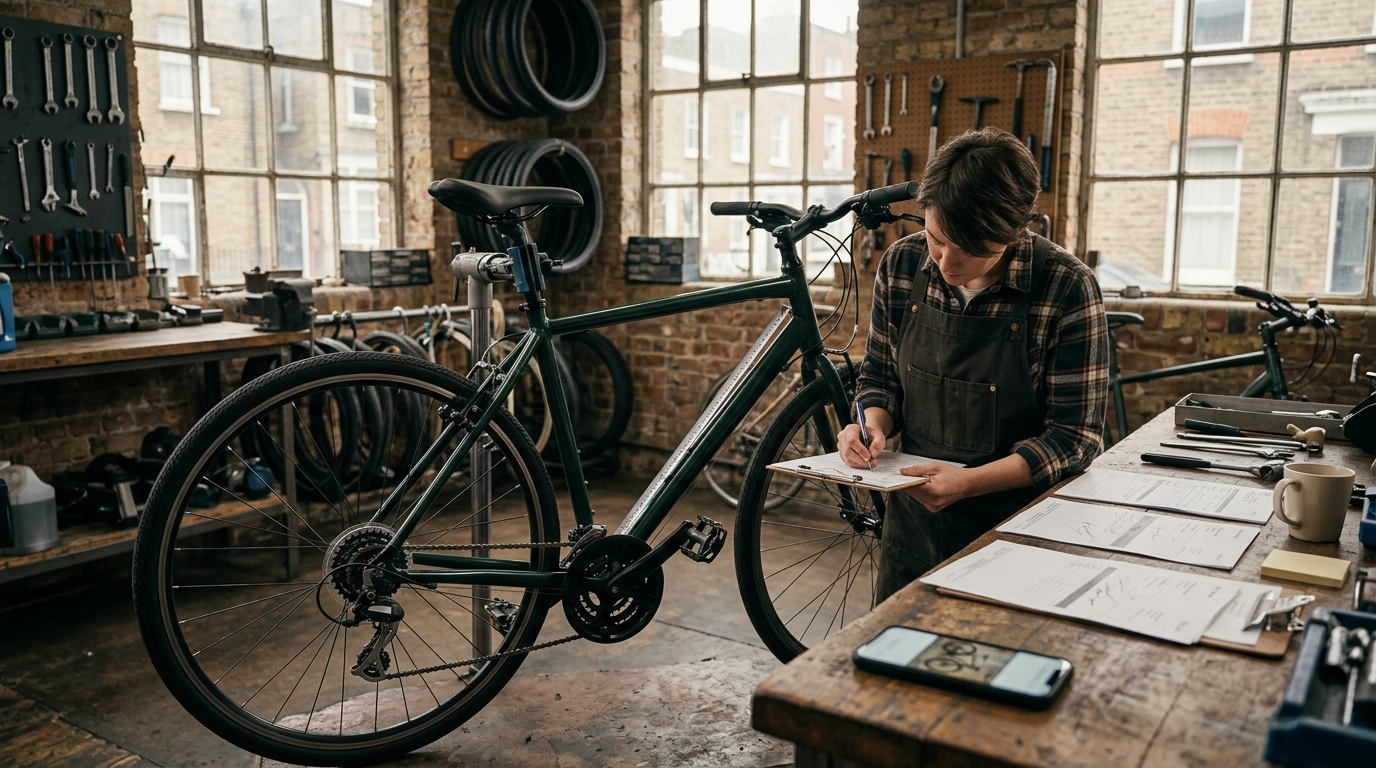 e bicycle is assessed by its mechanics. Differences between the original description and the bicycle’s actual condition can affect the final offer.
Providing complete information from the beginning can help make the process clearer and reduce the likelihood of an unexpected change in valuation.
- Prepare for the Final Assessment
Once you have received an initial quote, check what the next steps involve. You may need to take the bicycle to the shop or arrange an agreed collection.
Before handing it over, remove personal accessories that you intend to keep, such as a removable phone mount, luggage or lights, unless they are included in the sale.
For an electric bike, confirm whether the battery, charger and keys are required. Keep any agreed accessories together so that the bicycle can be assessed against the original description.
If the bike is being transported, make sure it is secured properly to avoid damage.
Read the terms of the transaction carefully, including any conditions relating to inspection, payment and changes to the quoted price.
- Get a Quote for Your Old Bike
Preparing your bicycle does not have to be complicated. A thorough clean, accurate details, clear photographs and an honest description of its condition can help you take the next step with confidence.
Whether you want to sell an unused bicycle, make room for a different model or reduce the cost of your next upgrade, it is worth exploring the available options before making a decision.
If you are looking to sell or part exchange your bicycle in London, Southwark Cycles can help you explore the process. Visit the Sell & Exchange page to submit your bicycle’s details and request a valuation.
You can also browse the used bikes available from Southwark Cycles if you are considering your next ride.
A little preparation can make selling your old bike more straightforward and help you move towards your next cycling adventure.