
Why Does My Bicycle Feel Slower Than It Used to?
Have you noticed that your bicycle no longer feels as quick or comfortable as it once did? Perhaps you are putting in more effort to reach the same speed, struggling on familiar routes or finding that even short journeys seem harder than before. If so, there could be a problem with your bicycle.
A bicycle can gradually lose its smooth performance for several reasons. Worn tyres, a dirty chain, poorly adjusted brakes and incorrect tyre pressure can all make riding more difficult. Sometimes, the cause is easy to fix, while other problems may require professional attention.
The good news is that you do not always need to replace your bicycle to improve its performance. A few simple checks and regular maintenance can make a noticeable difference. Here are some common reasons why your bicycle might feel slower than it used to.
1. Your Tyre Pressure May Be Too Low
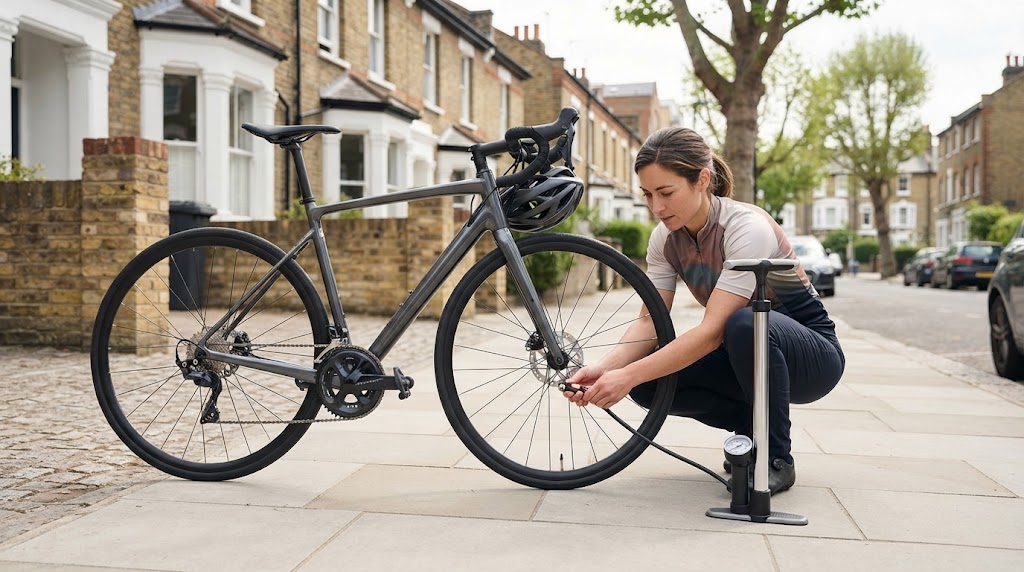
One of the first things to check is your tyre pressure. Underinflated tyres create more rolling resistance, meaning you have to work harder to keep your bicycle moving.
You might notice that the bicycle feels heavy, especially when riding on flat roads. It may also become harder to maintain speed, even when your legs feel fine.
Check the recommended pressure printed on the sidewall of your tyres. Use a suitable bicycle pump with a pressure gauge to inflate them within the manufacturer’s recommended range.
Avoid pumping your tyres beyond their maximum pressure. The correct pressure depends on factors such as tyre width, rider weight, road conditions and riding style.
Checking tyre pressure regularly is a simple habit that can help keep your bicycle running efficiently.
2. Your Bicycle Chain Is Dirty or Dry
The chain plays an important role in transferring power from your pedals to the rear wheel. If it becomes dirty, dry or poorly lubricated, the drivetrain may not run as smoothly as it should.
A neglected chain can create extra friction and sometimes produce clicking, squeaking or grinding noises while pedalling. You may also notice that changing gears becomes less reliable.
To improve performance, clean the chain using a suitable bicycle chain cleaner or degreaser. Once it is dry, apply an appropriate bicycle chain lubricant.
Choose a lubricant that suits your riding conditions. Dry lubricants are generally suitable for dusty conditions, while wet lubricants are designed for wetter environments.
Remember to wipe away excess lubricant after application. Too much oil can attract dirt and make the chain dirty again.
3. Your Brakes Might Be Rubbing Against the Wheel
Brakes are essential for safety, but incorrectly adjusted brakes can make your bicycle feel noticeably slower.
If brake pads remain in contact with the rim or disc when you are not braking, they create resistance. This means part of your pedalling effort is being wasted overcoming unnecessary friction.
A simple way to check is to lift each wheel and spin it by hand. It should rotate freely without significant rubbing or resistance.
For rim brakes, check whether the brake pads are positioned correctly and whether the wheel is centred. For disc brakes, listen for scraping sounds and look for signs that the rotor is rubbing against the brake pads.
Do not ignore unusual brake noises or reduced braking performance. If you are unsure how to adjust the system, have it inspected by a qualified bicycle mechanic.
4. Your Tyres May Be Worn or Damaged
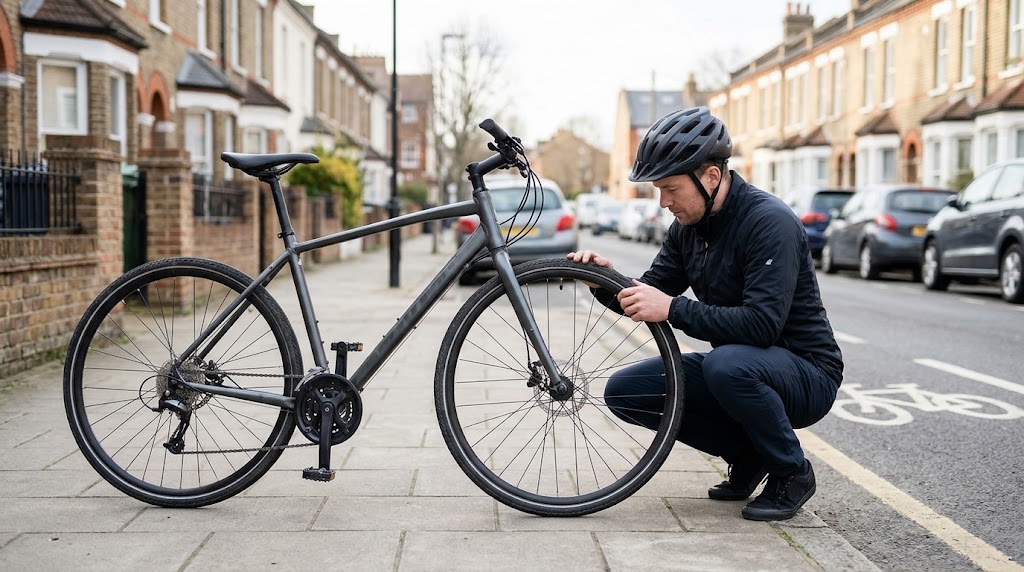
Even if your tyre pressure is correct, worn or damaged tyres can affect how your bicycle performs.
Over time, bicycle tyres lose their original tread and may develop cracks, cuts or other signs of damage. Some tyres also become less suitable for the surfaces on which you regularly ride.
For example, heavily treaded mountain bike tyres can create more rolling resistance on smooth roads than tyres designed for road cycling. This does not mean mountain bike tyres are poor quality; they are simply designed for different conditions.
Inspect your tyres for:
Worn or missing tread.
Cracks along the sidewalls.
Cuts or embedded sharp objects.
Bulges or unusual deformations.
Exposed threads or casing.
If you notice serious damage, replace the tyre before continuing to ride. Choosing a suitable tyre for your bicycle and regular routes can help improve comfort and efficiency.
5. Your Gears May Not Be Changing Properly
A bicycle with gears should allow you to select a suitable gear for different riding conditions. If the gears are not working correctly, maintaining a comfortable speed can become difficult.
You may notice that the chain takes too long to move between gears, skips unexpectedly or makes noise while pedalling.
Common causes include stretched gear cables, incorrect derailleur adjustment, worn chainrings, damaged sprockets or a worn chain.
Start by checking whether the gear cables appear damaged or excessively loose. However, drivetrain problems are not always easy to identify without the correct tools.
If your gears continue to slip or make unusual noises, arrange a professional inspection. Replacing worn drivetrain components at the right time can also prevent further damage.
6. Your Wheels May Not Be Running Smoothly
Wheels are another important part of bicycle performance. If a wheel is damaged, poorly aligned or has a problem with its bearings, your bicycle may feel harder to ride.
Spin each wheel and watch how it moves. It should rotate smoothly without noticeable wobbling or excessive resistance.
Possible problems include:
Loose or damaged wheel bearings.
Bent or misaligned rims.
Incorrectly adjusted hubs.
Loose spokes.
A tyre that is not seated correctly.
Bearing problems can make wheels feel rough when spinning. A damaged rim or loose spokes may also affect stability and safety.
If you notice wobbling, grinding noises or unusual movement around the wheel hub, have the bicycle checked before using it regularly.
7. Your Riding Position May Have Changed
Sometimes, the bicycle is not the problem. Your riding position, fitness level or everyday riding habits may have changed.
A saddle that is too low can make pedalling less efficient. Incorrect handlebar positioning may also cause discomfort, making it difficult to maintain a steady riding position.
Check whether your saddle height feels comfortable. When your foot is at the bottom of the pedal stroke, your knee should retain a slight bend rather than being completely locked.
Also consider whether you have recently changed your route, started carrying heavier bags or begun riding against stronger winds.
These factors can make a familiar journey feel harder, even when your bicycle is working properly.
8. Your Bicycle May Need a Professional Service
If you have checked the tyres, chain, brakes and gears but your bicycle still feels slow, it may be time for a full service.
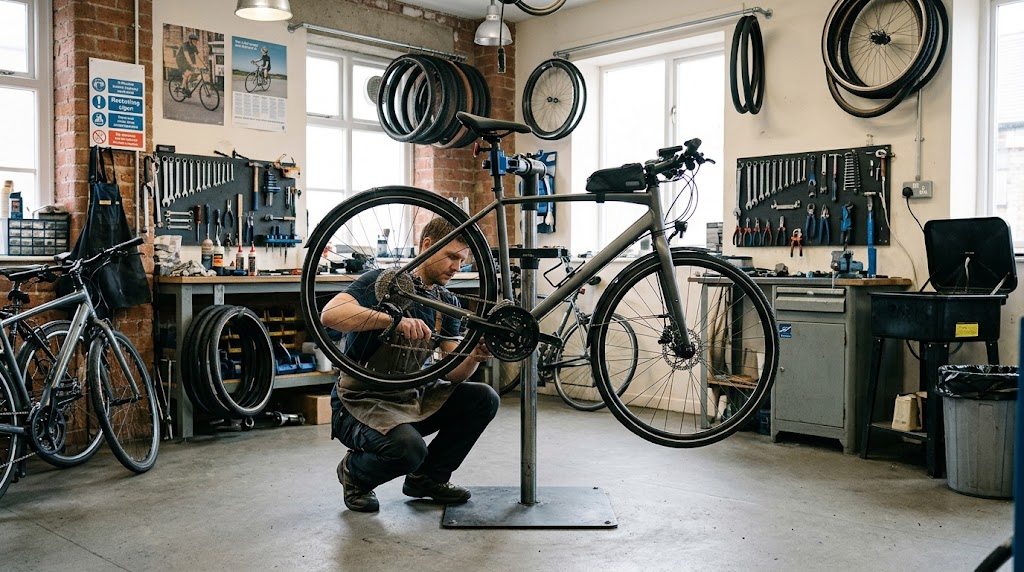
Regular servicing helps identify problems that are not always visible during a quick inspection. A mechanic can check the drivetrain, brakes, wheels, bearings, cables and other important components.
A bicycle service may include:
Checking and adjusting the brakes.
Inspecting the chain and drivetrain.
Adjusting the gears.
Checking wheel alignment and spoke tension.
Inspecting tyres and tyre pressure.
Checking bearings and moving components.
Tightening important bolts and fittings.
The exact work required will depend on the bicycle’s condition. Addressing small problems early can help prevent more expensive repairs later.
How to Keep Your Bicycle Running Smoothly
You can reduce the chances of your bicycle losing performance by following a simple maintenance routine.
Before regular rides, check the tyre pressure, brakes and wheels. Listen for unusual noises while riding and pay attention to changes in how the bicycle feels.
After riding in wet or muddy conditions, clean the bicycle when necessary, particularly around the chain and drivetrain. Lubricate the chain when it becomes dry, and avoid leaving dirt and moisture on important components.
It is also worth arranging a professional service periodically, especially if you use your bicycle for daily commuting or frequent longer journeys.
You do not need expensive equipment to carry out basic checks. A suitable pump, cleaning products and a small bicycle multi-tool can help you look after your bicycle at home.
Final Thoughts
A bicycle that feels slower than it used to may be showing signs of low tyre pressure, worn components, poor lubrication or a mechanical problem. Identifying the cause early can make riding easier, improve efficiency and help prevent further damage. Regular cleaning, basic checks and timely servicing are all important parts of bicycle ownership. If your bicycle is not performing as smoothly as it should, Edgware Cycles can help with bicycle servicing, repairs and suitable replacement parts to get you back on the road with confidence.